The Montessori Playroom: Do’s and Don’ts
You are probably here because you’re looking for “Montessori playroom ideas” and you need inspiration. Most articles will show you perfect shelves, coordinated toy rotations, and rooms that look like they belong in a catalog.
For many families, those pictures create pressure, not clarity. They make Montessori feel expensive, rigid, or out of reach.
This guide takes a different approach. Yes, you can create a Montessori playroom if you want one. But you do not need a dedicated room to bring Montessori into your home.
You also do not need to redesign your entire house or turn everything sad beige.
A Montessori-aligned home is not about following a specific look. It is about creating an environment where your child can explore with purpose, choose independently, and settle into calm, meaningful activity.
Instead of giving you steps to build a picture-perfect playroom, this guide shows you how to make any area in your home more Montessori. Your living room. Your child’s bedroom. Your hallway. Even your kitchen. Small environmental adjustments support independence far more effectively than any themed room.
You can bring Montessori into your home without buying all new furniture or creating a space that looks staged. You can do it gradually, simply, and in ways that support real family living.
This article walks you through how to use Montessori principles at home so your child experiences the same sense of independence, clarity, and calm they feel in a well-prepared classroom, adapted for everyday life.

What Is a Montessori Home Environment?
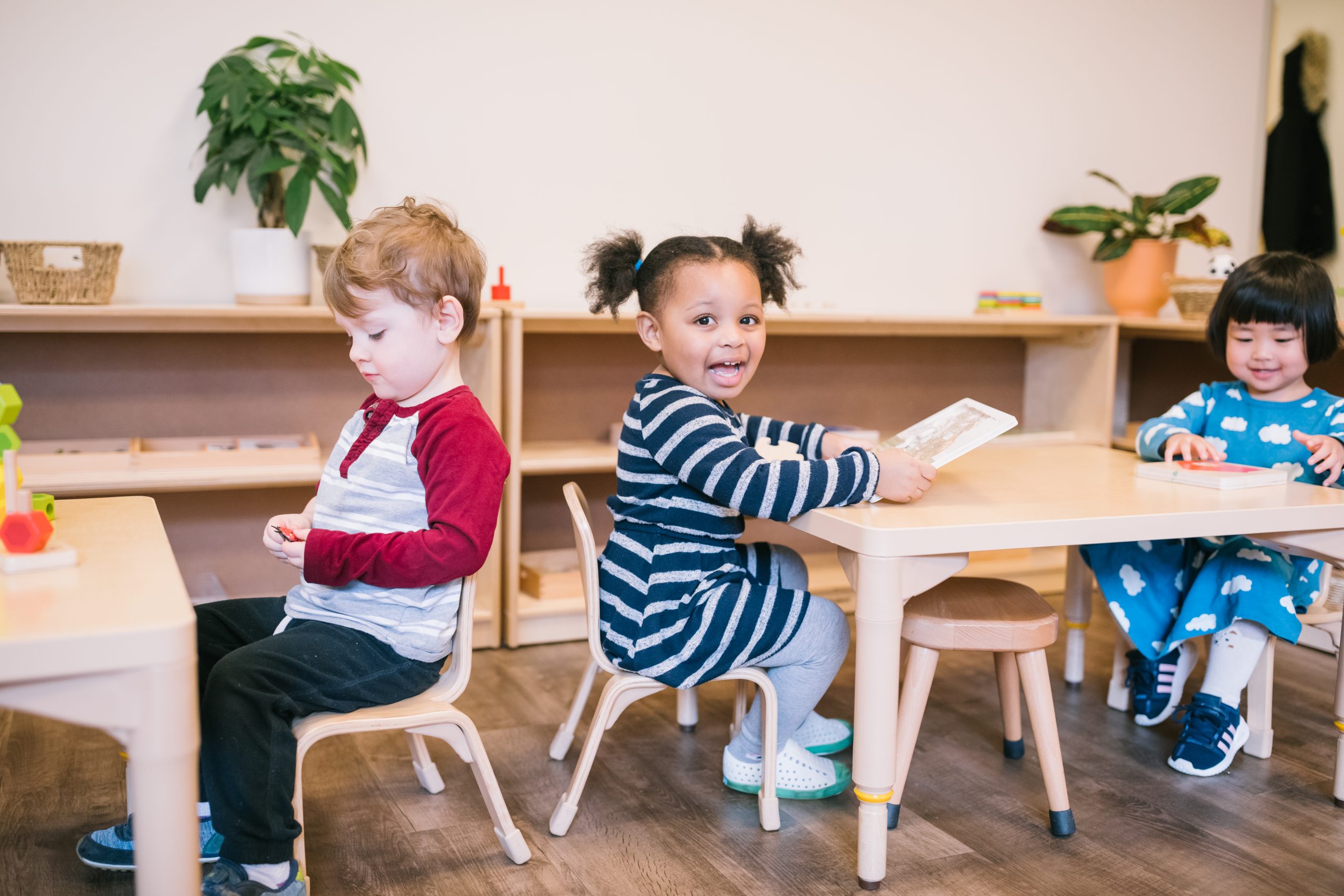
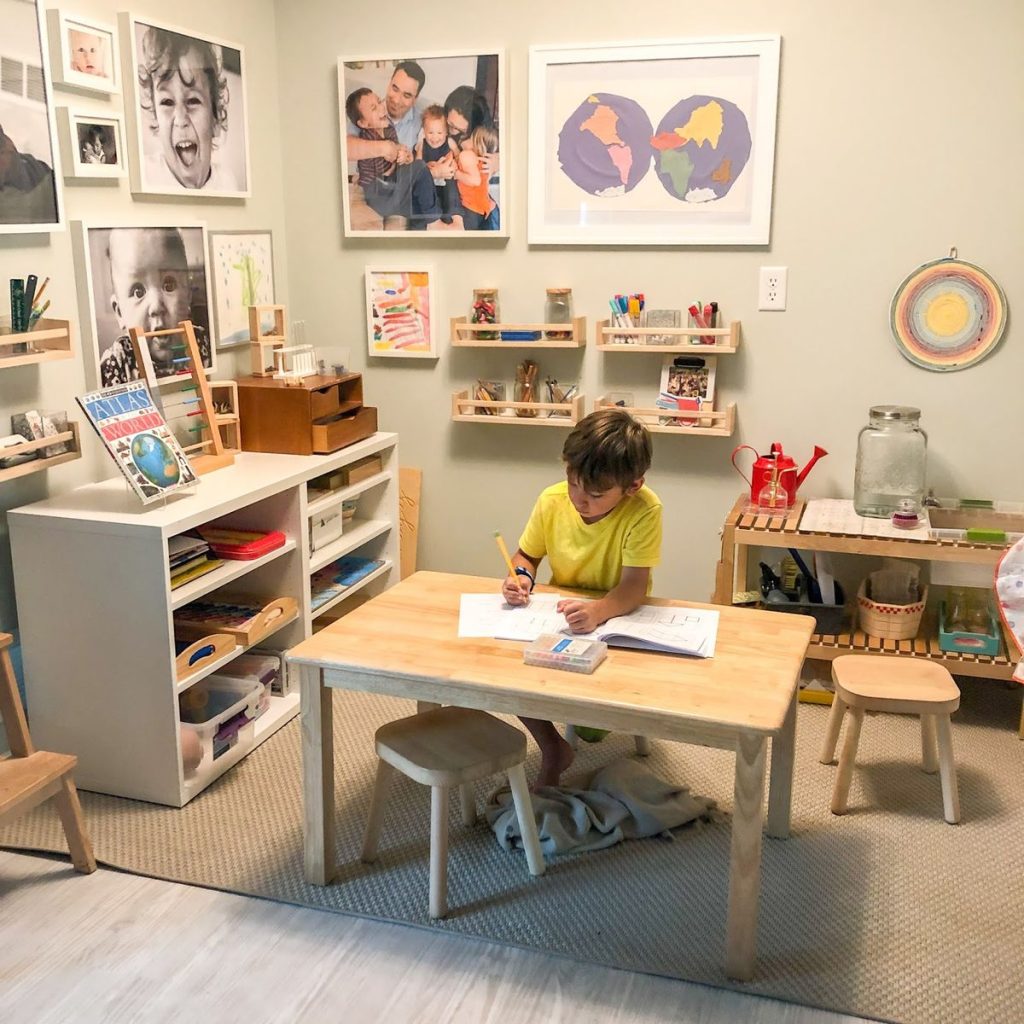
A Montessori home supports movement, choice, participation in real daily life, and responsibility. It is not a classroom. It is a place where children can explore real skills and meaningful materials without constant adult intervention.
In a Montessori-friendly home, you will often find:
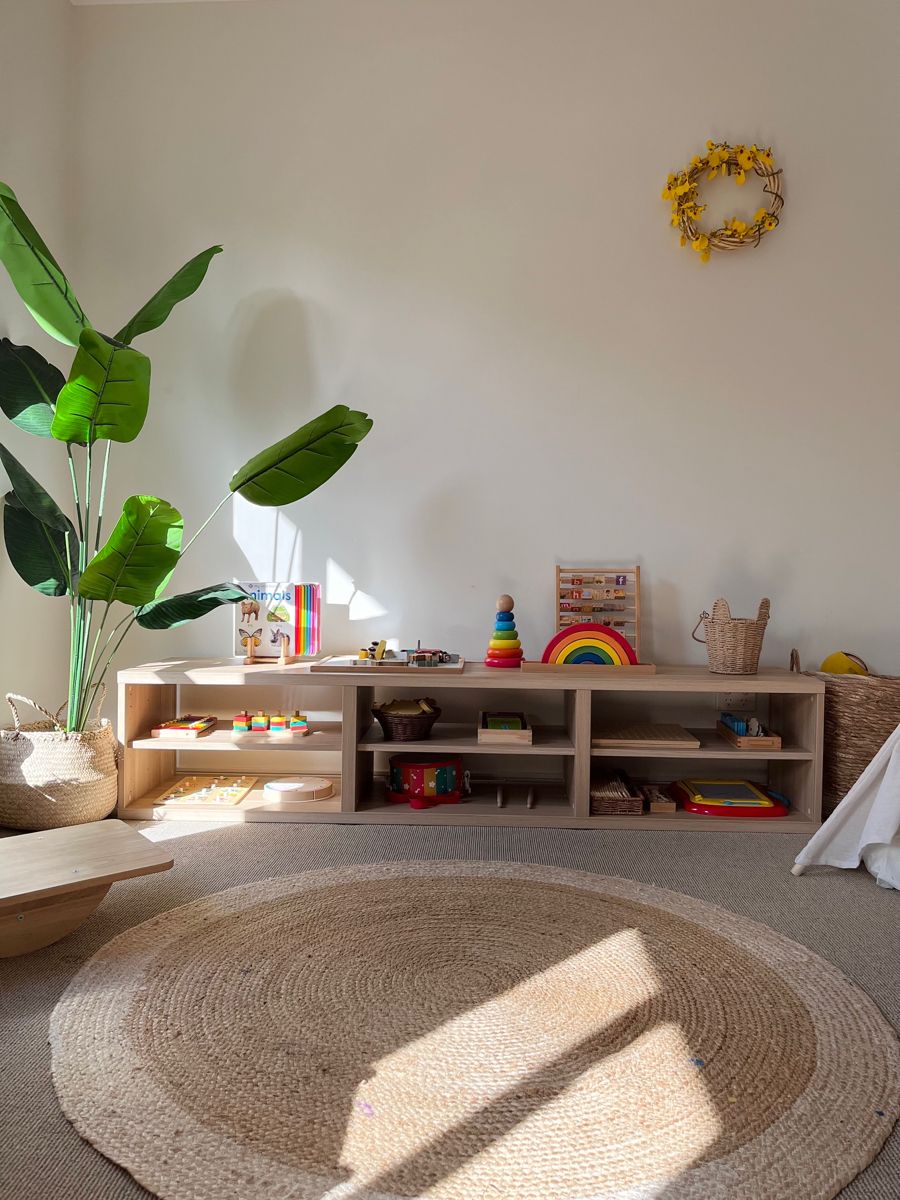
• Low, accessible shelves
• Fewer toys and materials displayed neatly
• Realistic objects that invite exploration
• A small workspace on the floor or at a child-sized table
• A quiet nook for reading or rest
• Practical life items like a small broom or pitcher
• Space to move, climb, and build
The goal is simple. You want your child to feel capable, calm, and confident in their own home.

Can a Montessori Home Be Colorful?
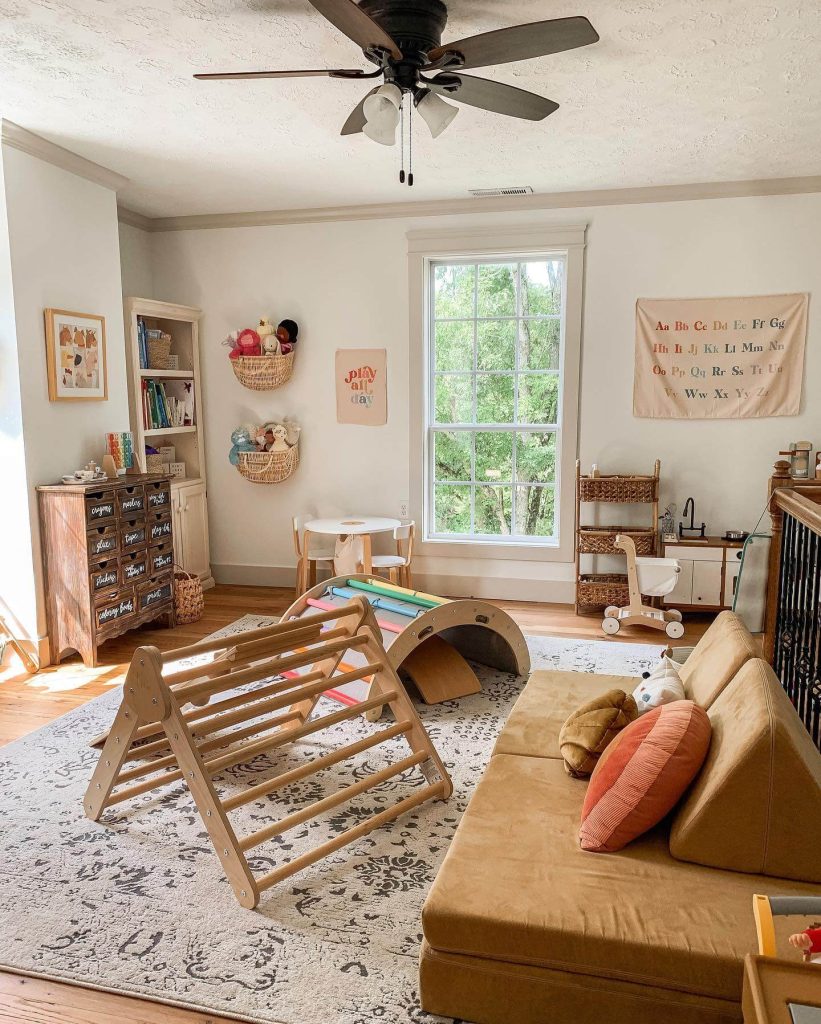
Yes. Montessori is not a beige-only lifestyle. The guiding principle is intentionality. Color should support clarity and comfort, not overwhelm the senses.
Children notice everything in their environment. When there is too much visual competition, they may feel distracted or unsettled. When colors are used thoughtfully, they help define areas and support concentration.
Color can support a Montessori home when used in ways like these:
• A colorful rug that defines a workspace
• A cheerful reading nook with soft textures
• A few vibrant art prints hung at the child’s height
• Toys that are colorful yet clear in purpose
• Natural and soft lighting to keep the space calm
Color is welcome. Visual noise is not.

How Montessori Uses Color With Purpose
Understanding the philosophy behind color in Montessori materials (and Guidepost schools) can help parents make thoughtful choices at home.
Montessori uses color only when it clarifies a concept.
Nothing is random. The purpose is to direct the child’s attention to the activity, not to the visual decoration. Parents can take inspiration from this by choosing items that are clear, engaging, and not competing for attention.
For example:
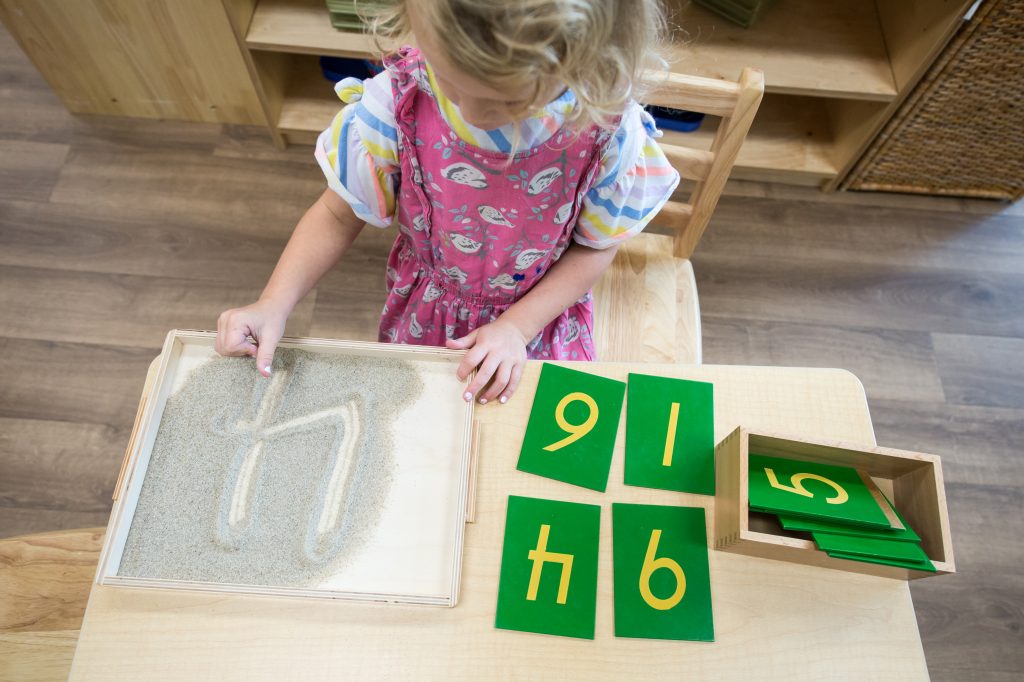
Sandpaper letters use colors that clarify vowel and consonant differences. Nothing is random.
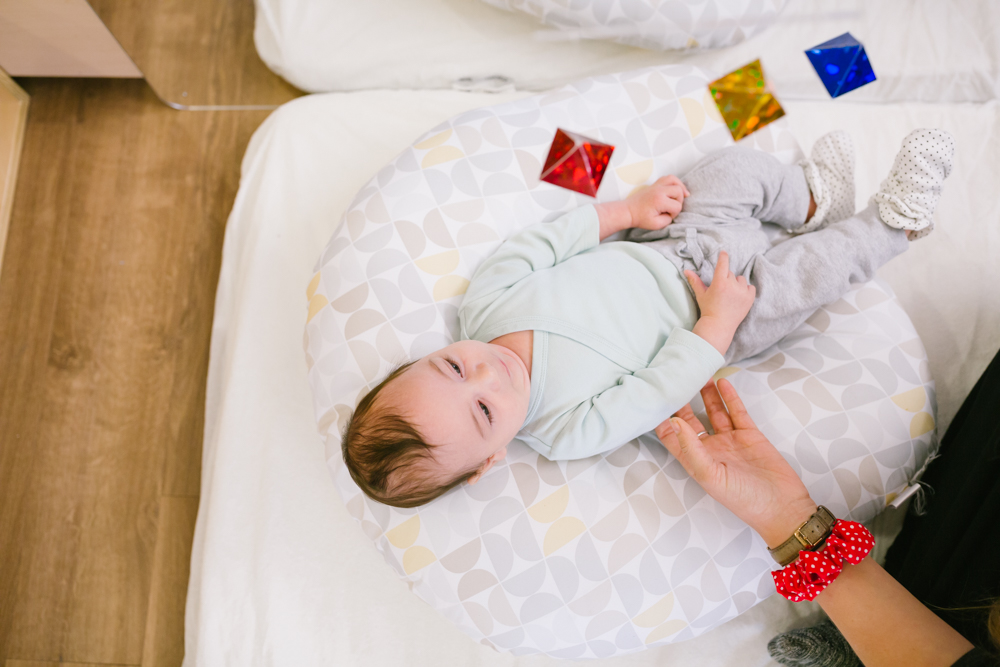
Infant mobiles use high contrast colors because newborns see best this way.
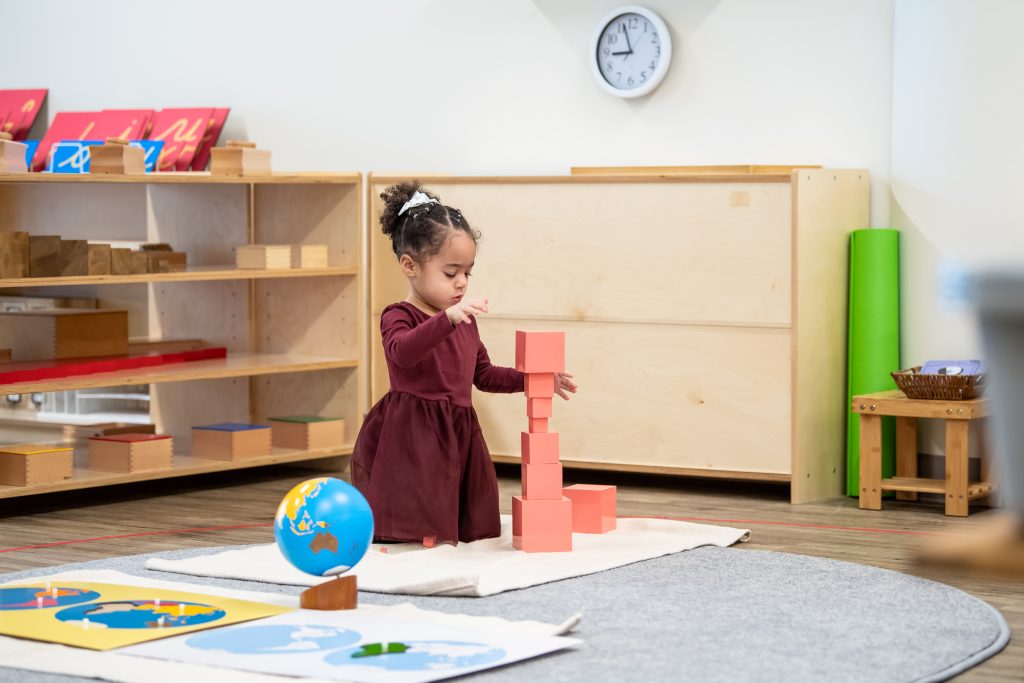
The Pink Tower is one color to support visual discrimination of size.
Parents can take inspiration from this. Choose materials and toys that support focus rather than compete for attention.

Home Is Not School
Montessori at home should feel like home. It is not meant to replicate the classroom or follow a rigid aesthetic.
A Montessori-aligned home does not require:
• All wooden toys
• Neutral-only color palettes
• Matching baskets
• Perfectly curated shelves
• Minimalist interiors
Remember, a Montessori playroom doesn’t need to be extravagant; simplicity often leads to greater engagement.
Children need comfort, warmth, and connection to their family environment. They decompress here after school. They rest, explore, and make real memories here. The environment should reflect family life while still supporting independence.
The essential requirement is simple. Your child should be able to move, choose, explore, and clean up independently.

Less Is More, but Less Does Not Mean Colorless
The Montessori principle of “less is more” is about cognitive clarity, not design rules. Children concentrate more deeply when they have a manageable number of choices.
You can maintain warmth and color while reducing clutter.
Try this:
• Display six to eight toys or activities at a time
• Store the rest in a rotation bin or closet
• Rotate materials every week or two
• Include real tools such as a sponge, brush, or pitcher
• Avoid overflowing toy bins or deep storage containers
A simple rotation method increases focus and freshness without requiring a redesign.
Five Montessori Home Ideas You Can Add Today
These quick changes require no renovation and no big purchases.
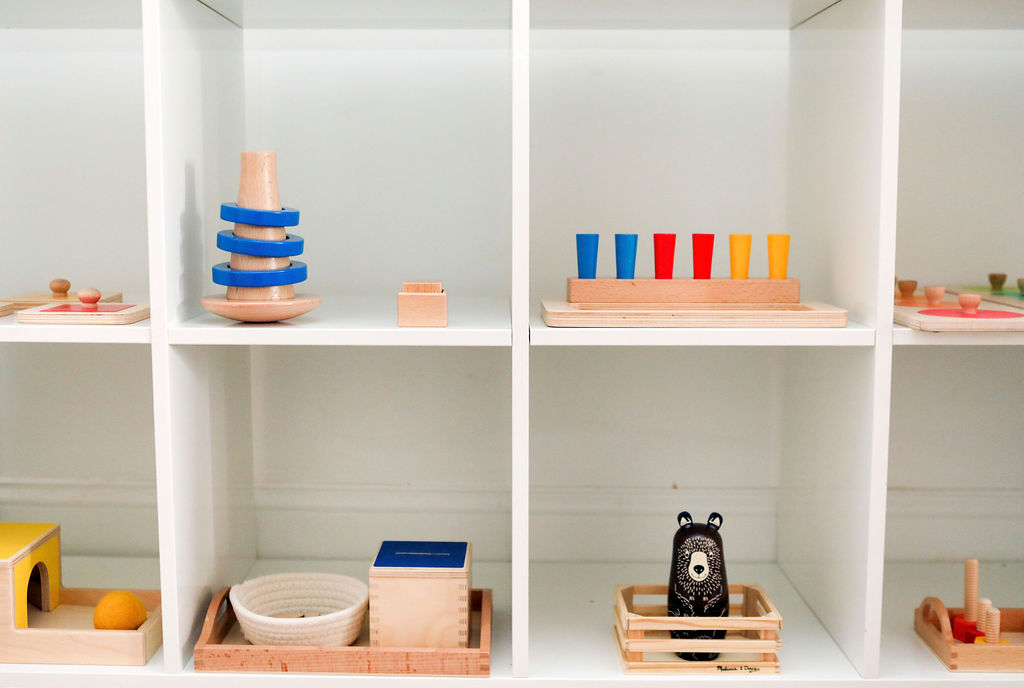
1. Reduce Toy Clutter
Remove half the toys and display only what your child can truly use. This increases focus.
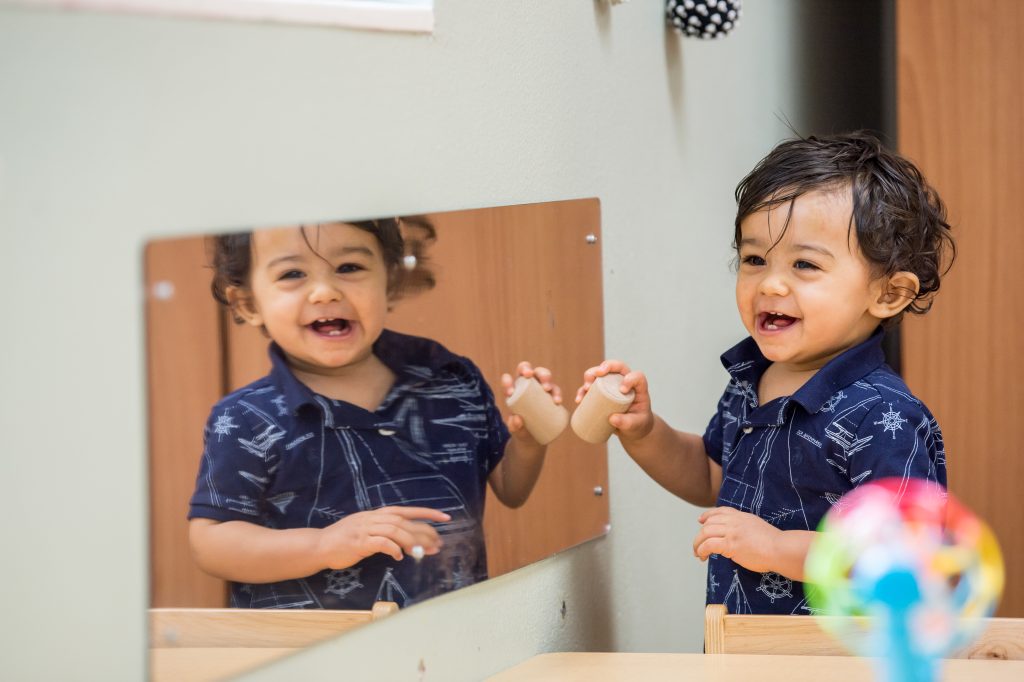
2. Add a Low Mirror
Great for babies and toddlers. Helps with body awareness and movement.
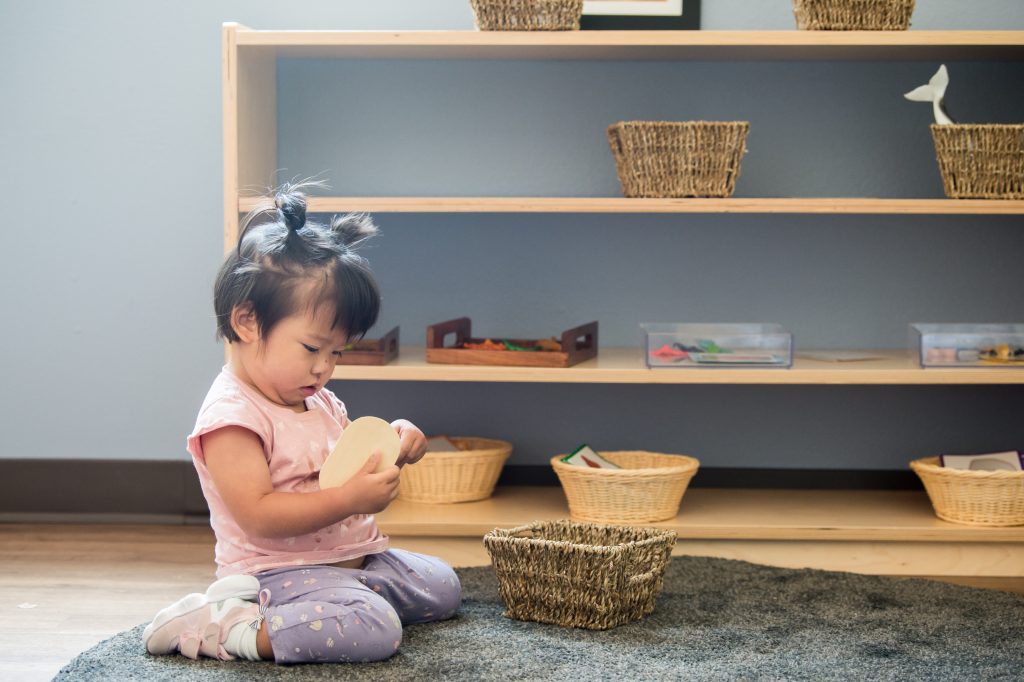
3. Use Baskets and Trays
Place each activity on its own tray or in its own basket. This teaches order.
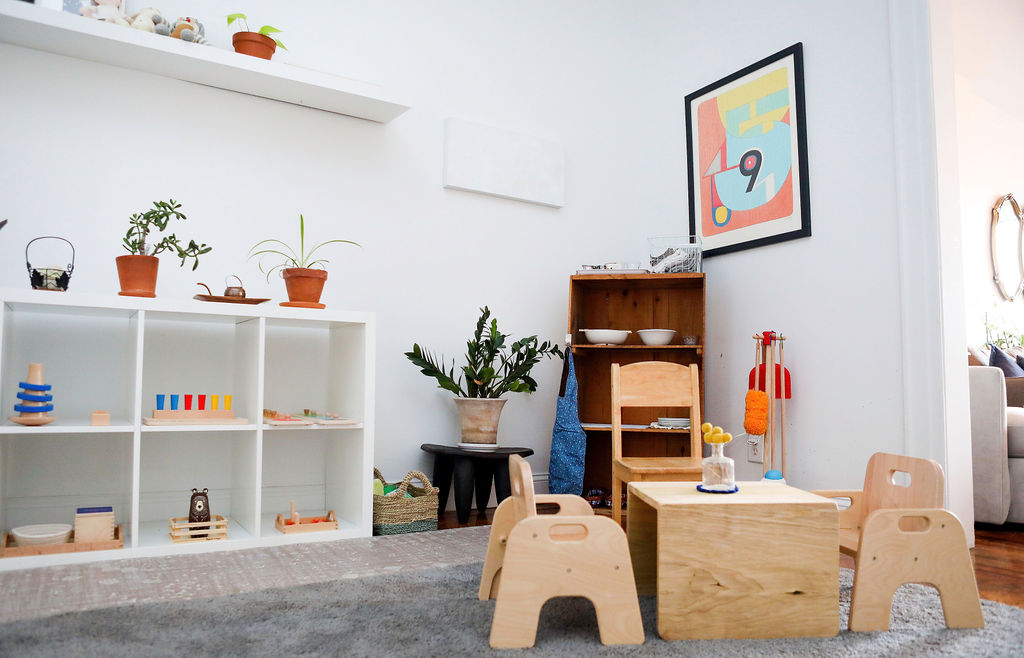
4. Bring in Nature
A plant, a bowl of rocks, seashells, pinecones, or a single flower in a vase adds calm and beauty.
5. Create a Soft Nook
A simple corner with pillows gives your child a space to breathe and reset.
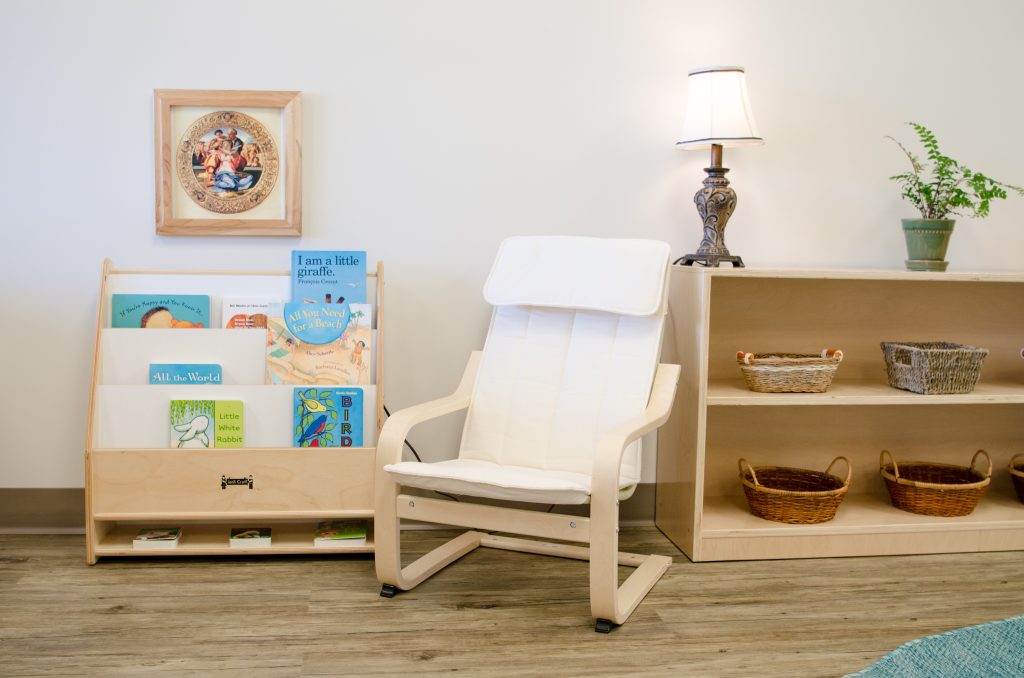
How to Make Any Room in Your Home More Montessori
These steps work whether you want a playroom, a Montessori-inspired living room corner, or a child-friendly bedroom setup.
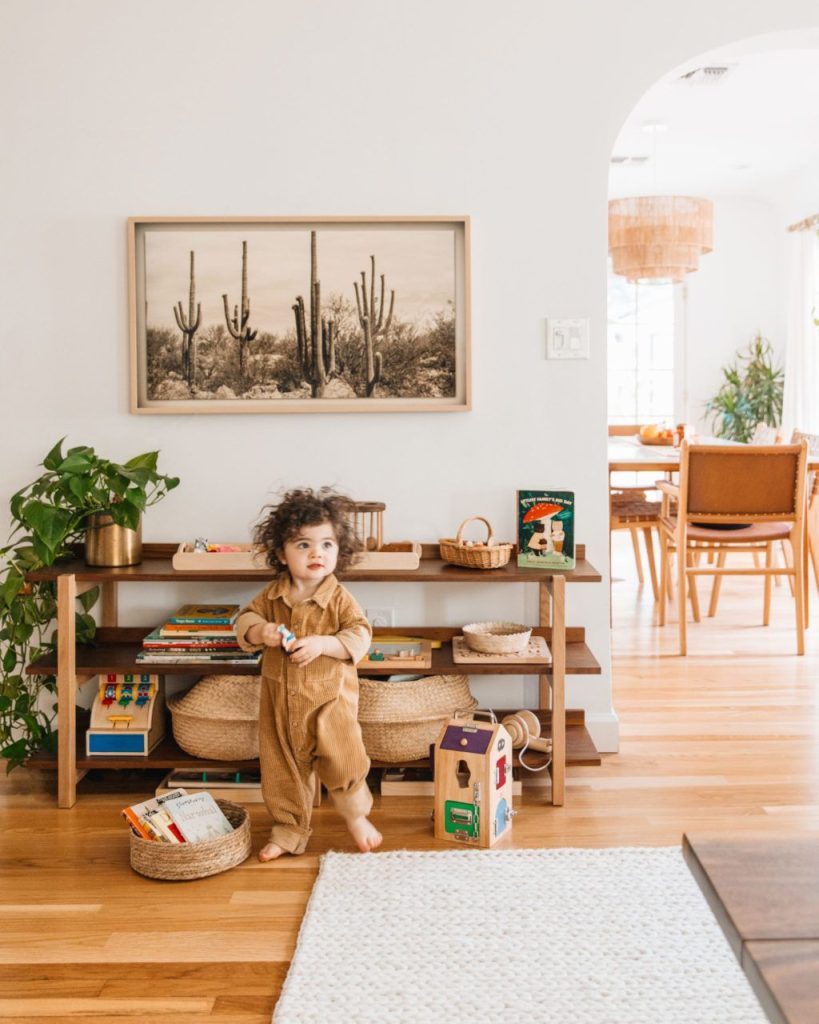
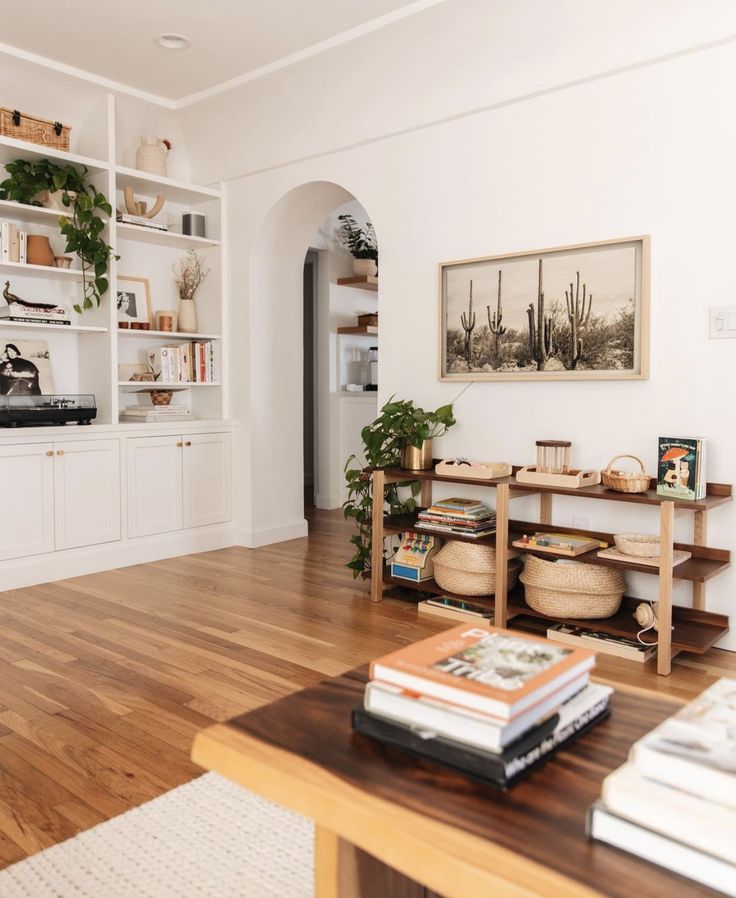
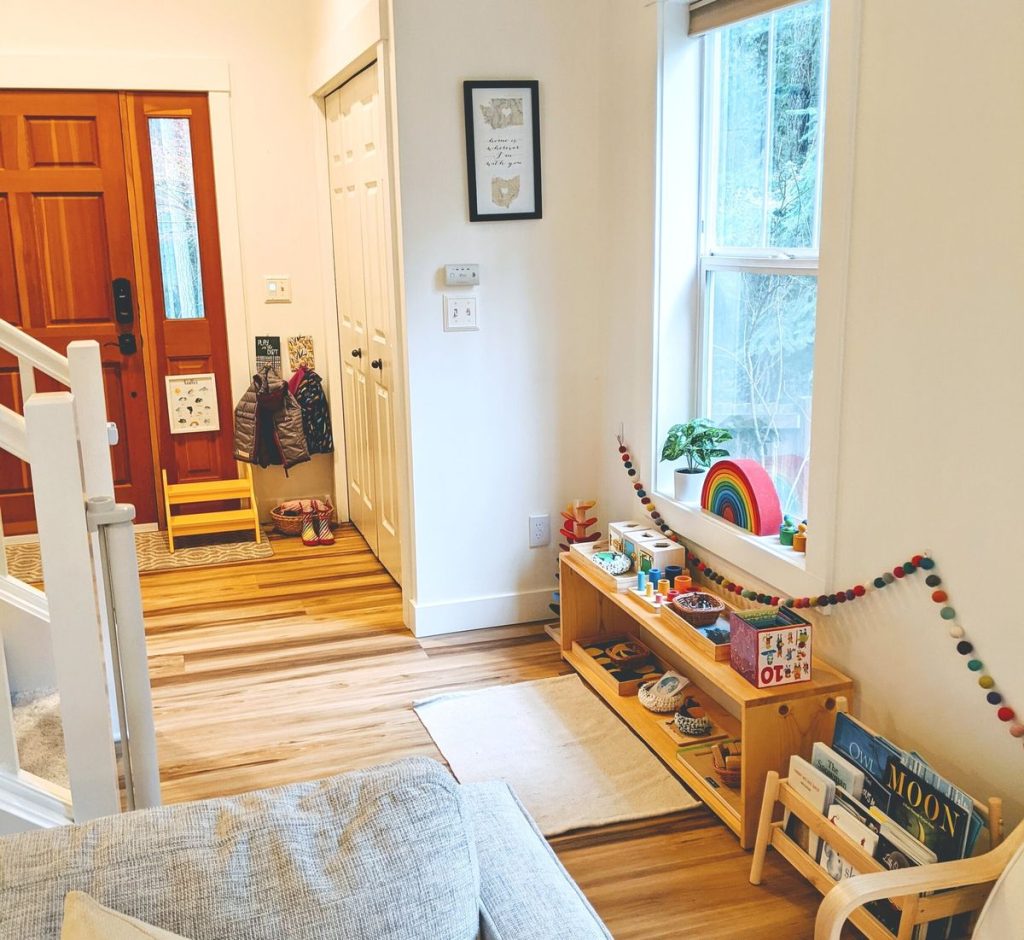
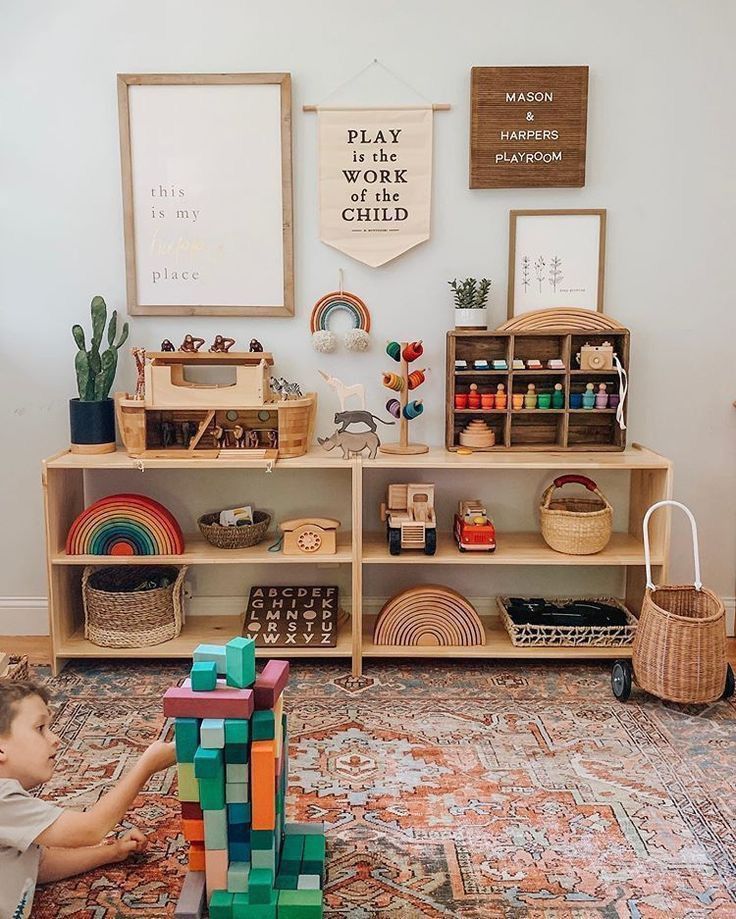
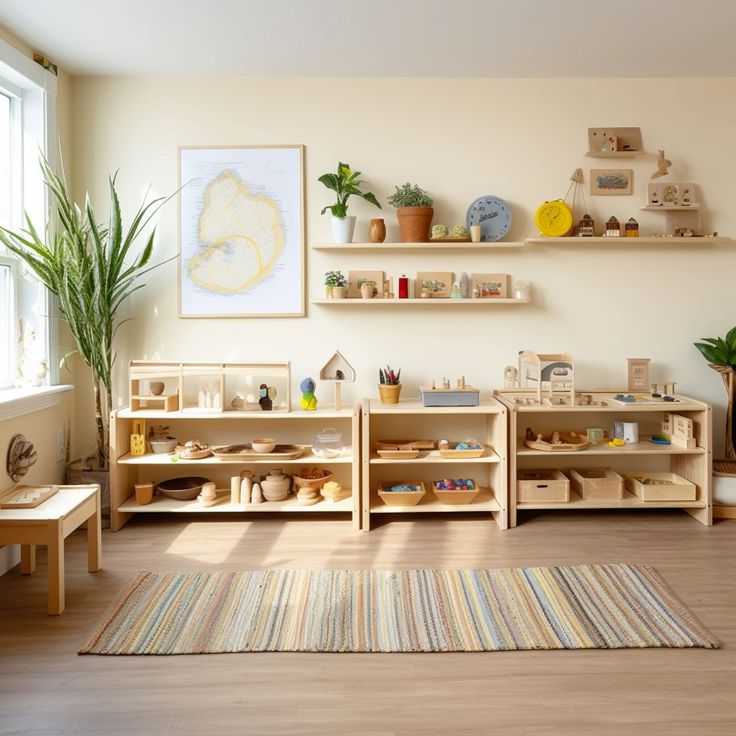
1. Low, Accessible Shelving
Choose shelves your child can reach. This gives them autonomy and helps with clean up.
Inspiration:
• IKEA Kallax or Trofast units placed horizontally
• Sprout Kids Montessori shelves
• Handmade pine shelves from Etsy
2. A Few Purposeful Toys
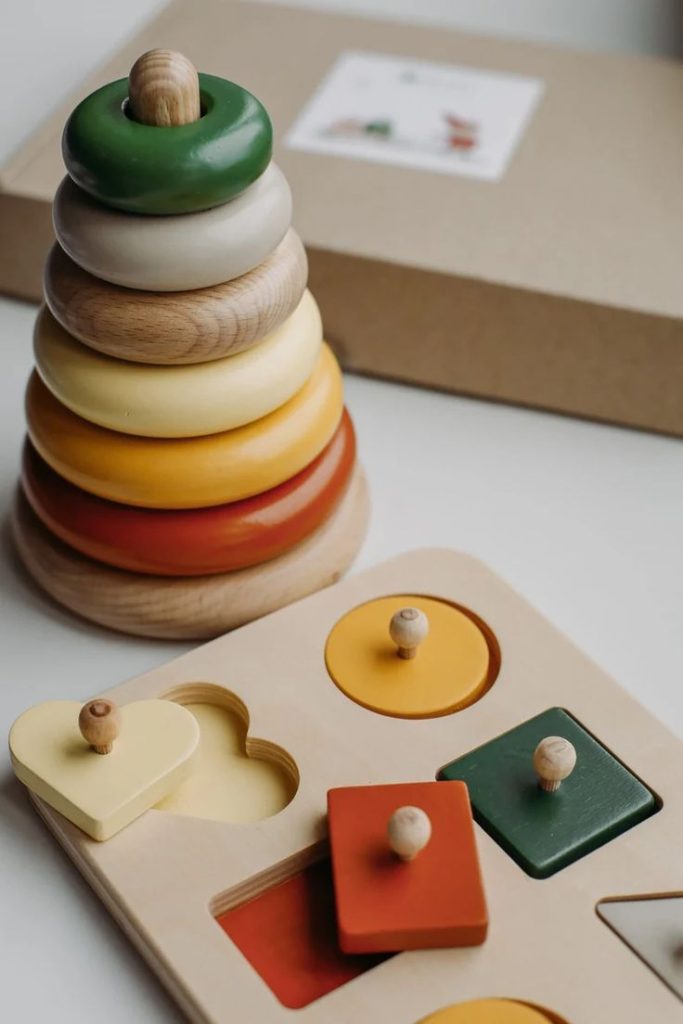
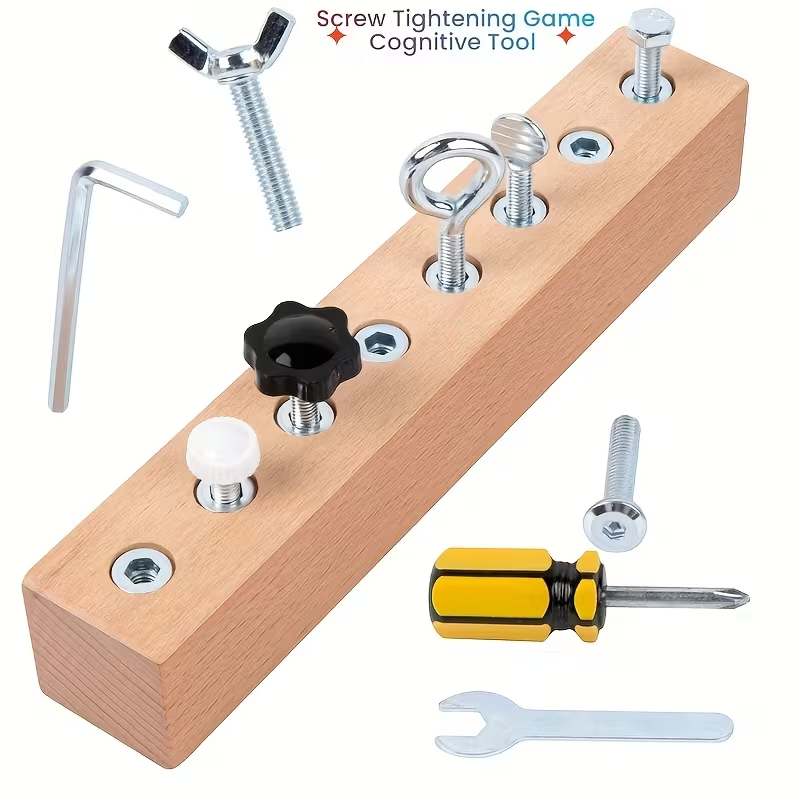
Offer a small number of toys that invite deep engagement. Ideally, they can be wooden, and can be colorful or neutral. The key is clarity and quality.
Inspiration:
- Lovevery Montessori-inspired Play Kits
- Monti Kids Sensorial + Practical Life Materials
- Hape Wooden Toys (open-ended)
- Guidecraft Wooden Unit Blocks
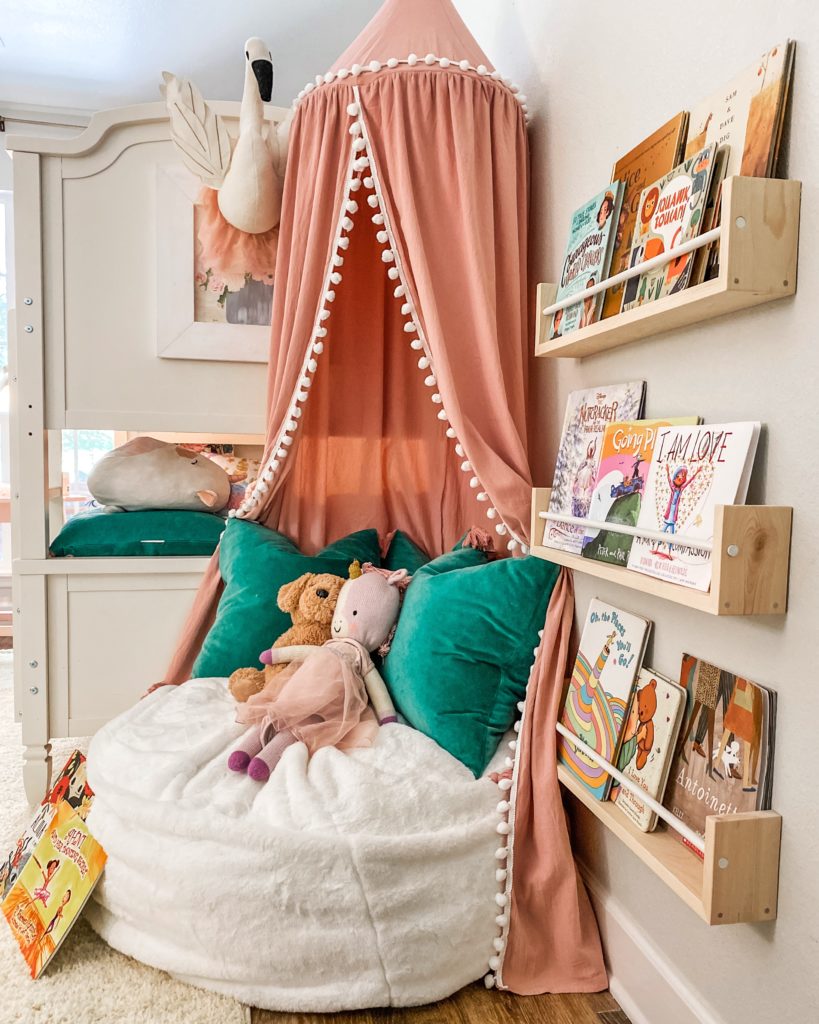
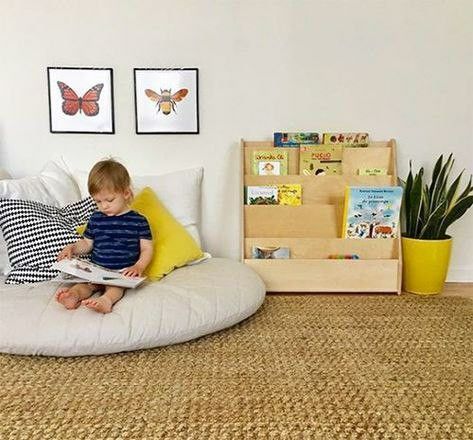
3. A Cozy Reading Corner
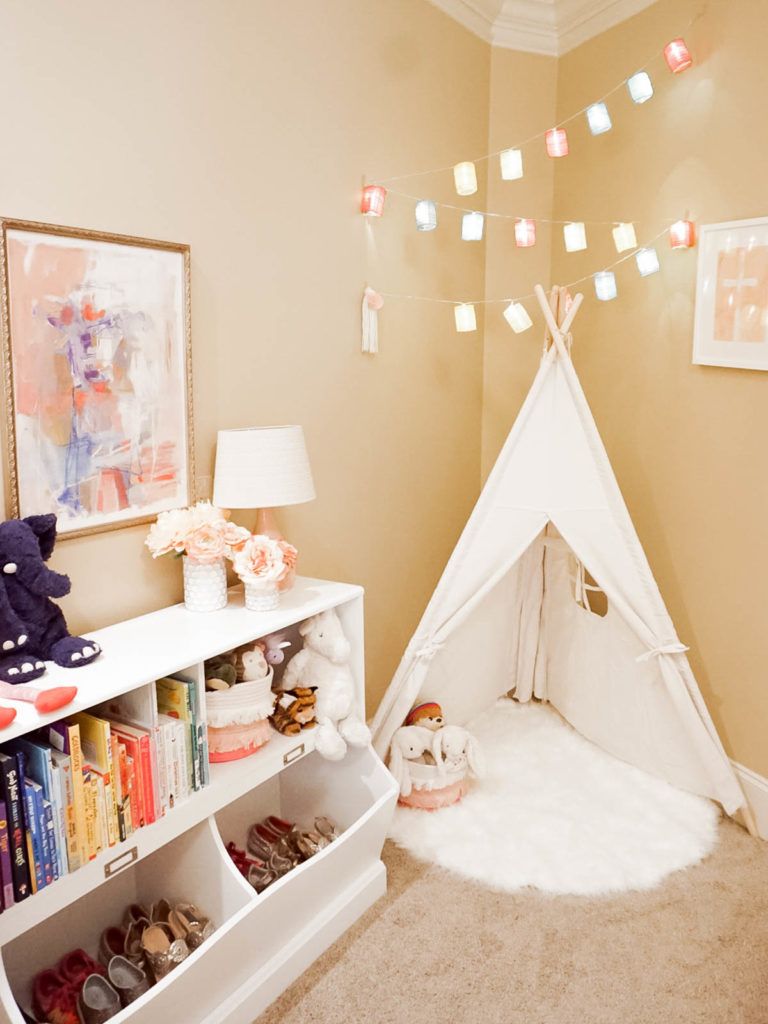
Create a quiet nook where your child can rest, reset, and enjoy books.
Inspiration:
• Floor Cushion / Beanbag: Yogibo Mini
• Picture ledges displaying books facing forward
• Kid-Friendly Soft Lamp: Hatch Rest+
4. A Defined Workspace
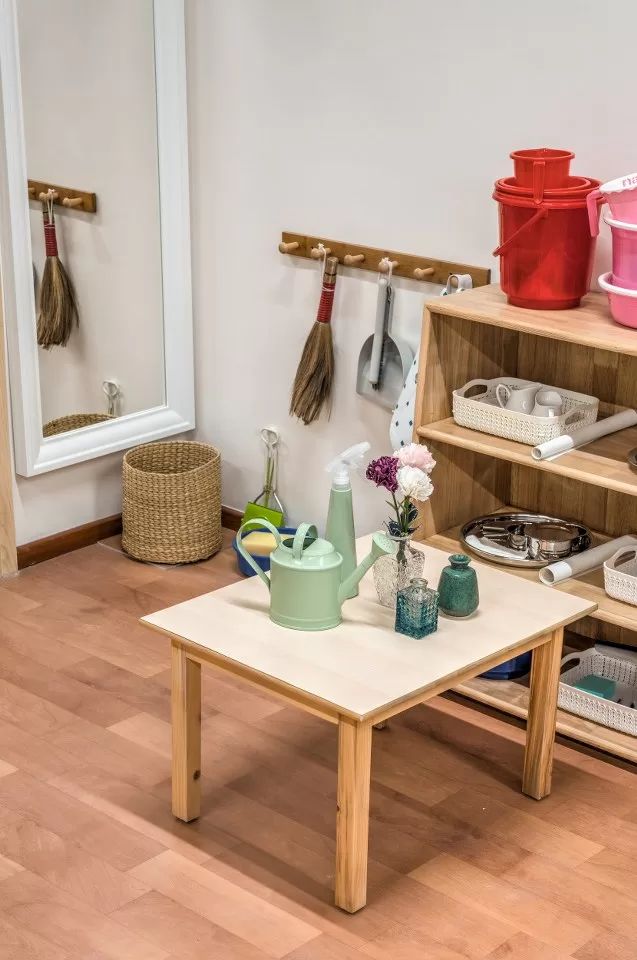
Provide a rug, low activity table, or floor mat that signals where building, sorting, painting, or creating happens.
5. Space for Movement
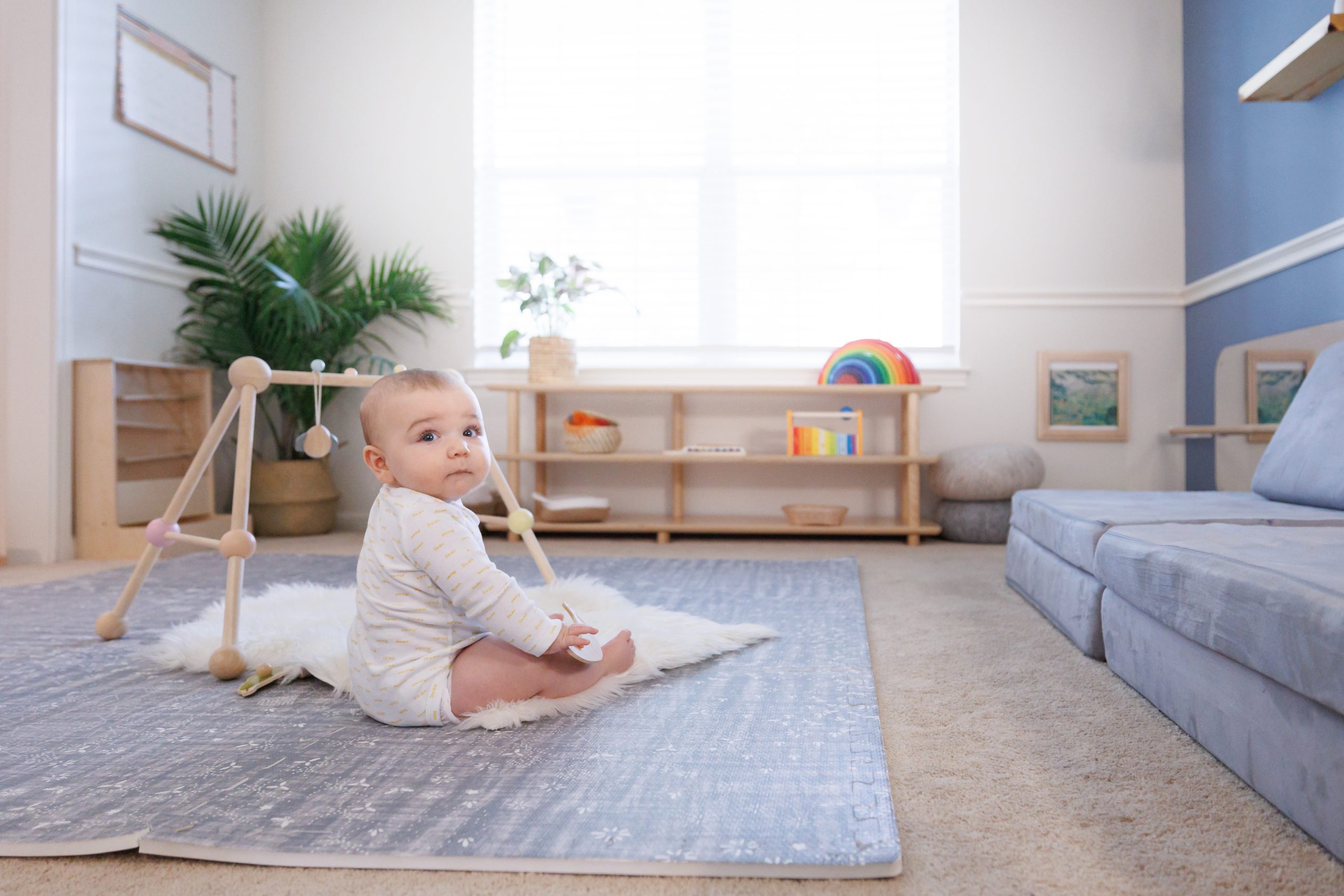
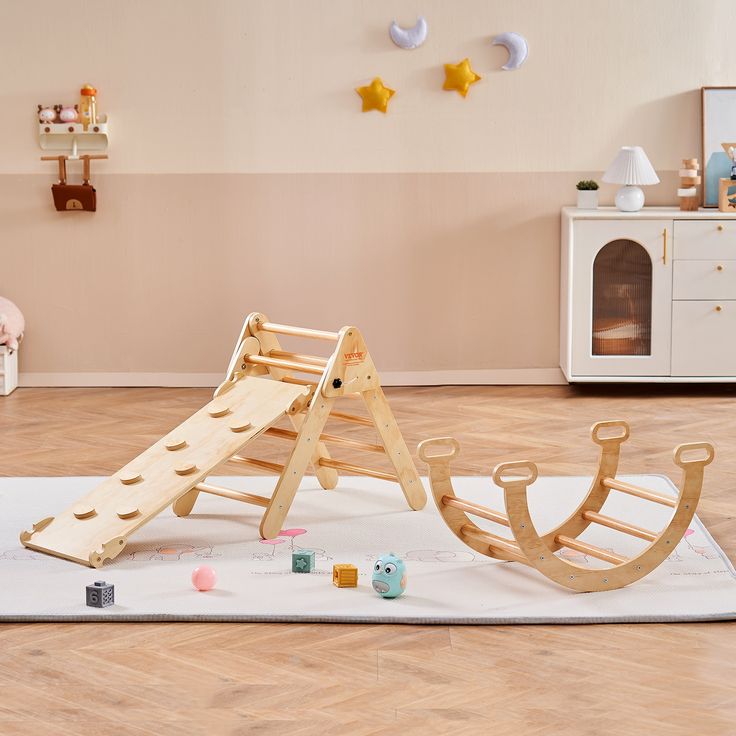
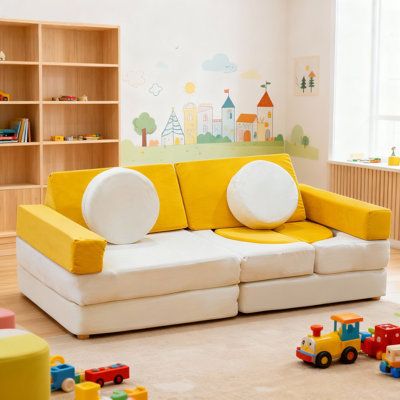
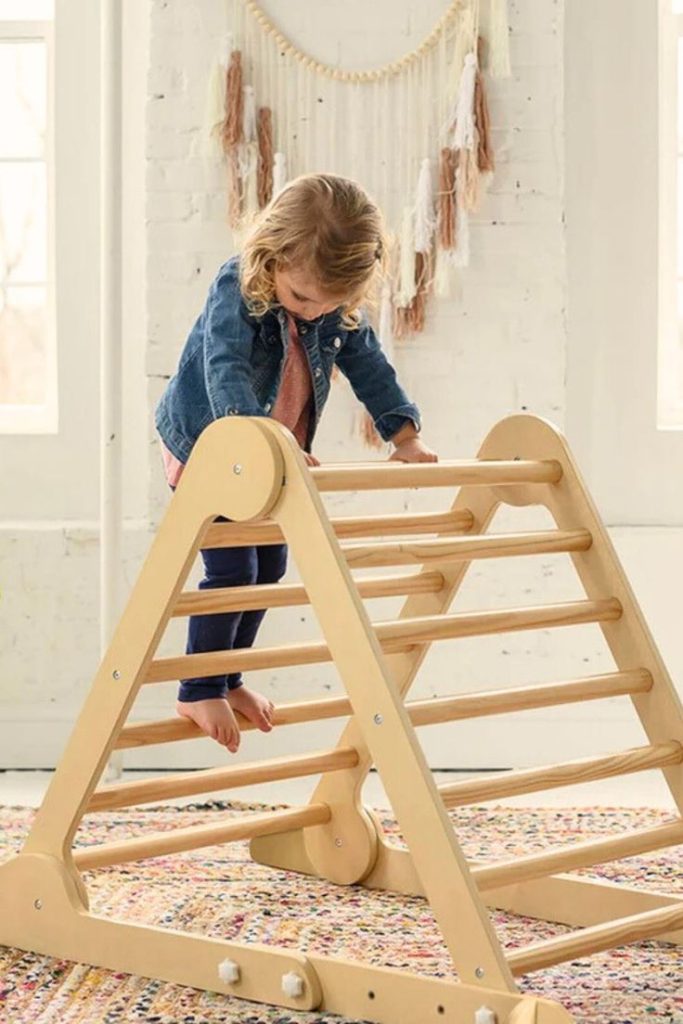
Children need room to climb, crawl, balance, and stretch.
Inspiration:
• Pikler triangle
• Balance beam
• Foam play couch
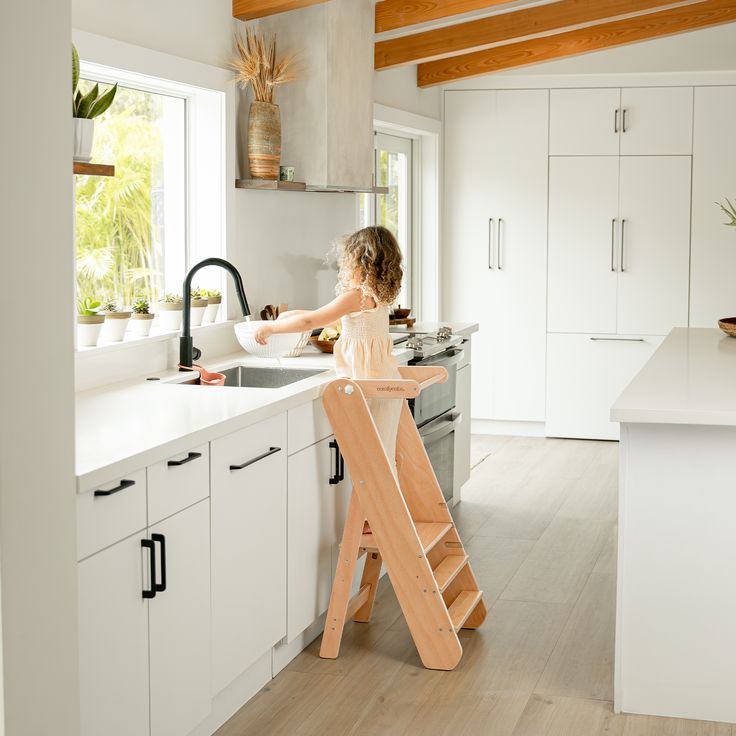
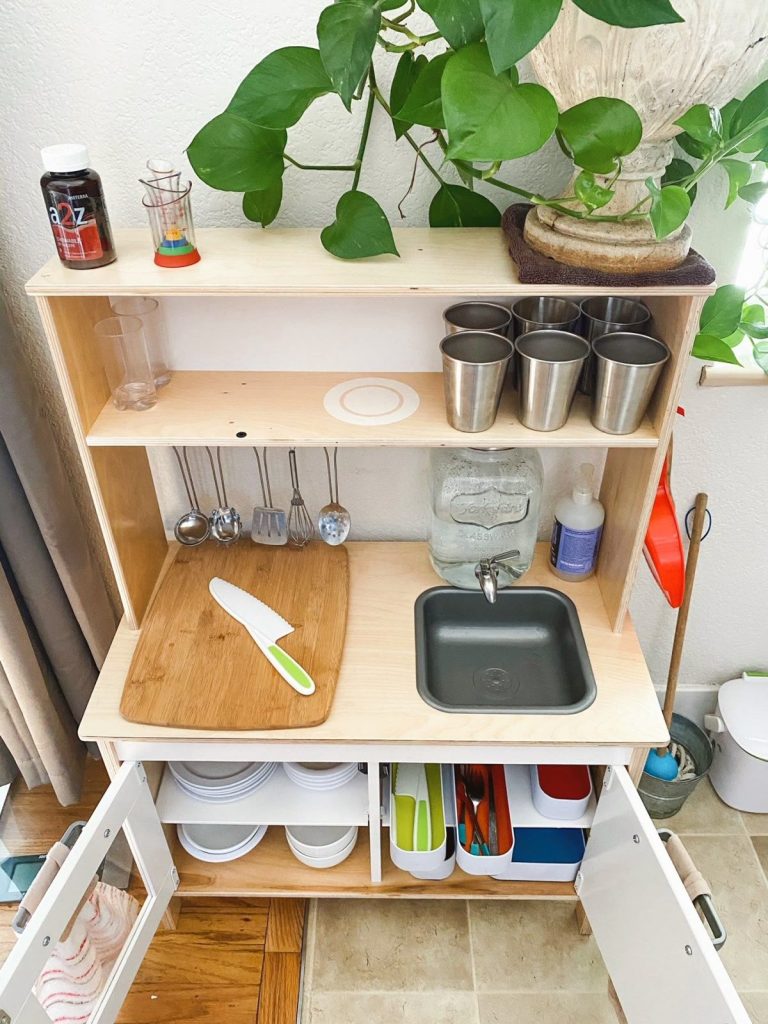
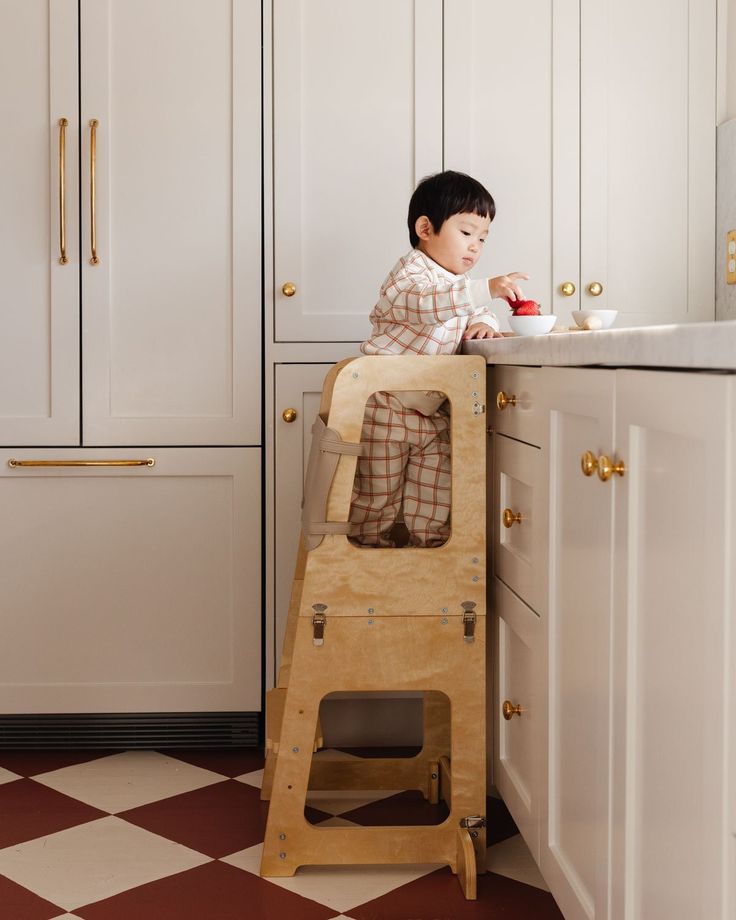
6. Opportunities for Practical Life
Children want to help around the house. Let them!
Inspiration:
• Child-sized broom
• Small pitcher and bowl
• Step stool for kitchen activities
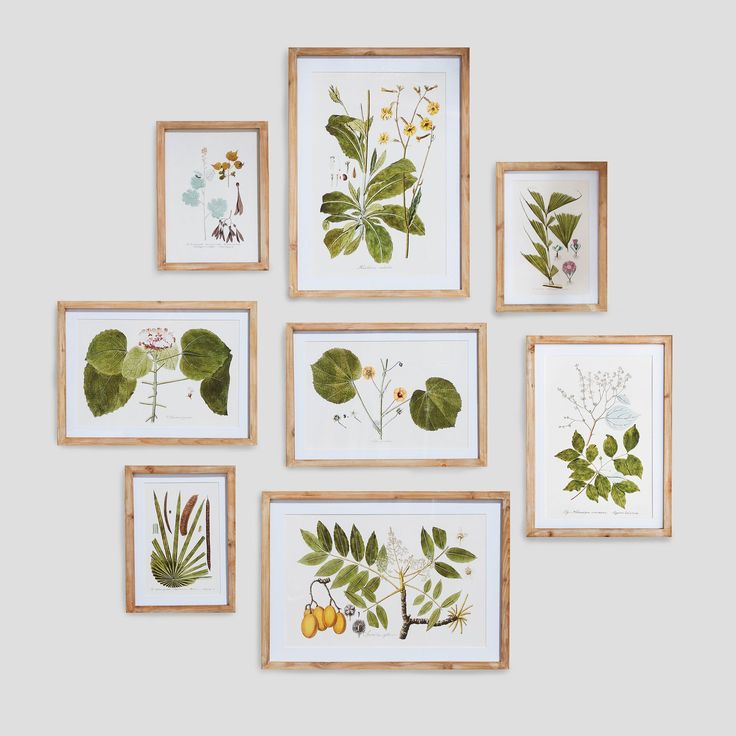
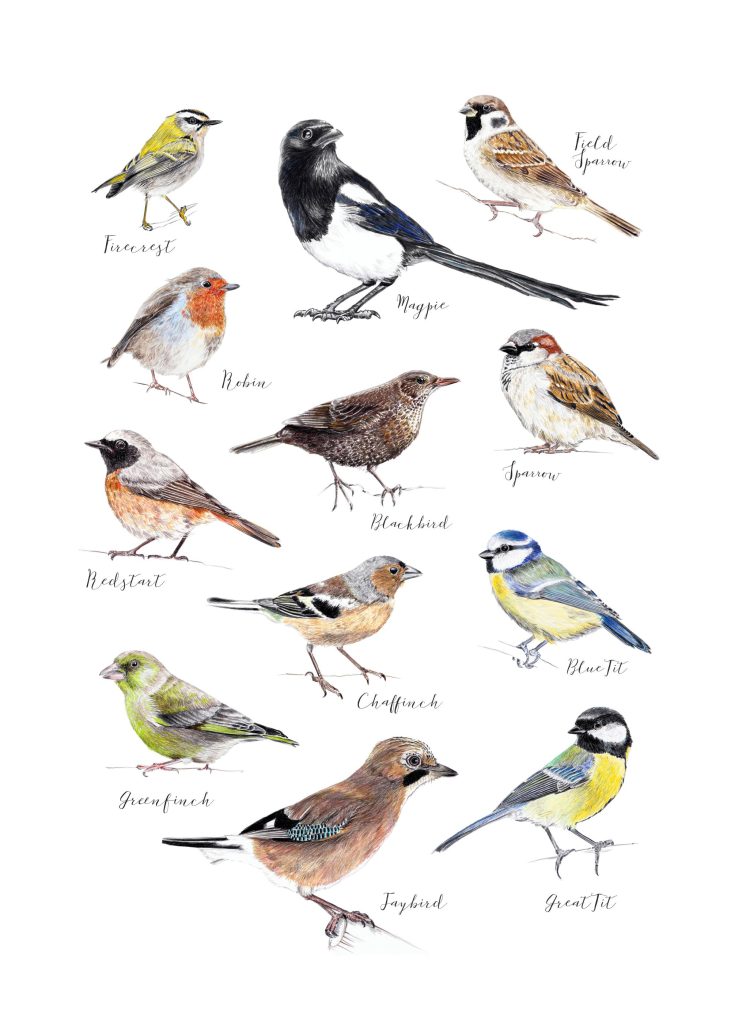
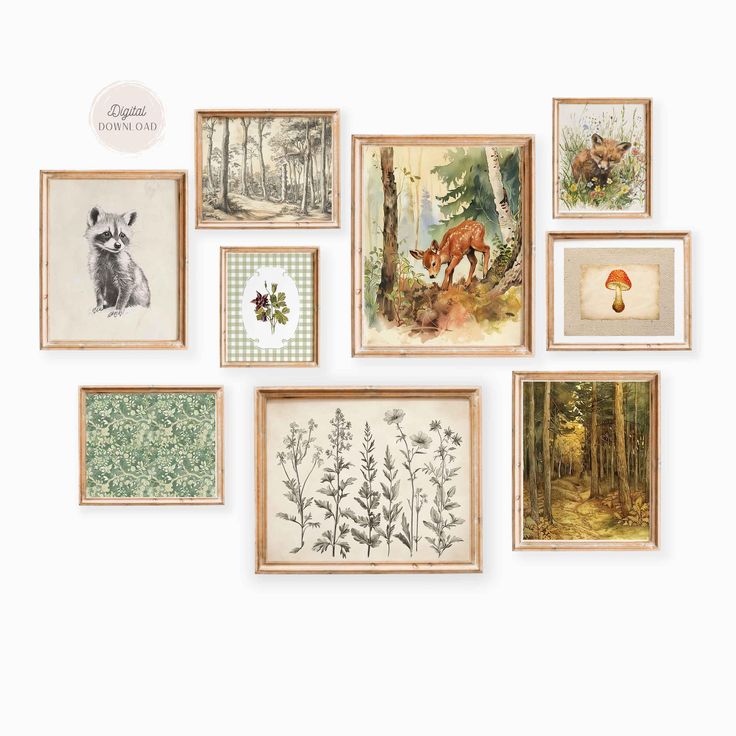
7. Artwork at Child Level
Hang art where your child can actually see it. This gives them ownership and appreciation of the space.
Inspiration:
• Nature photos
• Botanical prints
• Realistic animal watercolors
• Framed family photos

Final Thoughts
Whether you’re setting up a Montessori playroom or simply want to make your home more “Montessori”, we encourage you to remember that your home does not need to be perfect, or beige, or curated. It needs to be thoughtful, calm, and supportive of your child’s independence.
Color is welcome. Clutter is not. Clean lines and clear choices help your child focus. Warmth and beauty help them enjoy their space.
Above all, you do not need a full playroom to bring Montessori into your home. You simply need small, intentional changes that make your child feel capable, connected, and at home in their environment.