For many parents, the question “Is my child ready for preschool?” surfaces quietly at first.
It might show up during a difficult morning routine. Or after another long nap struggle. Or when you notice your child suddenly insisting on doing everything themselves, yet still melting down moments later.
This question rarely comes from comparing children. It comes from something deeper. A sense that your child is changing, and a quiet wondering about whether the environment around them is still the right fit.
At Guidepost Montessori, we hear this question every day. And we want to say this clearly from the start:
Preschool readiness is not about knowing letters, numbers, or colors. It is not about sitting still. And it is not about being “ahead.”
Preschool readiness is about development. And development is not a checklist to pass or fail.
This guide is designed to help you understand what preschool readiness really looks like between ages 2 and 5, how to recognize the signs your child may be ready, and how to think about the type of environment that best supports them at each stage.

What Preschool Readiness Really Means
When parents search for “preschool readiness,” they are often hoping for clarity. But many articles reduce readiness to academic milestones or surface-level behaviors.
Developmentally, readiness is about something else entirely.
Preschool readiness reflects a child’s growing ability to:
- Separate with trust
- Participate in a shared environment
- Care for themselves with increasing independence
- Engage with others with support
- Concentrate for short periods of time
- Recover from big emotions with help
These capacities unfold gradually. They look different in every child. And they are shaped significantly by the environment adults create around them.
In Montessori education, readiness is not a gate. It is a signal. A signal that a child may benefit from a thoughtfully prepared environment that supports their next stage of growth.

Preschool Readiness at Age 2
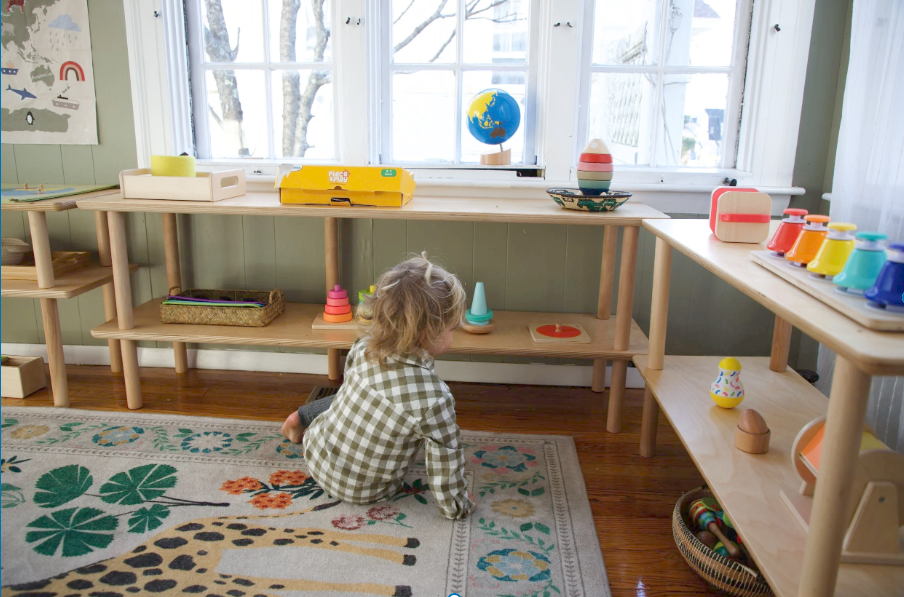
Many parents wonder whether age 2 is too young for preschool. The better question is whether the environment matches a two-year-old’s developmental needs.
At this age, readiness is less about group participation and more about emerging independence.
Signs a 2-year-old may be ready for a preschool environment
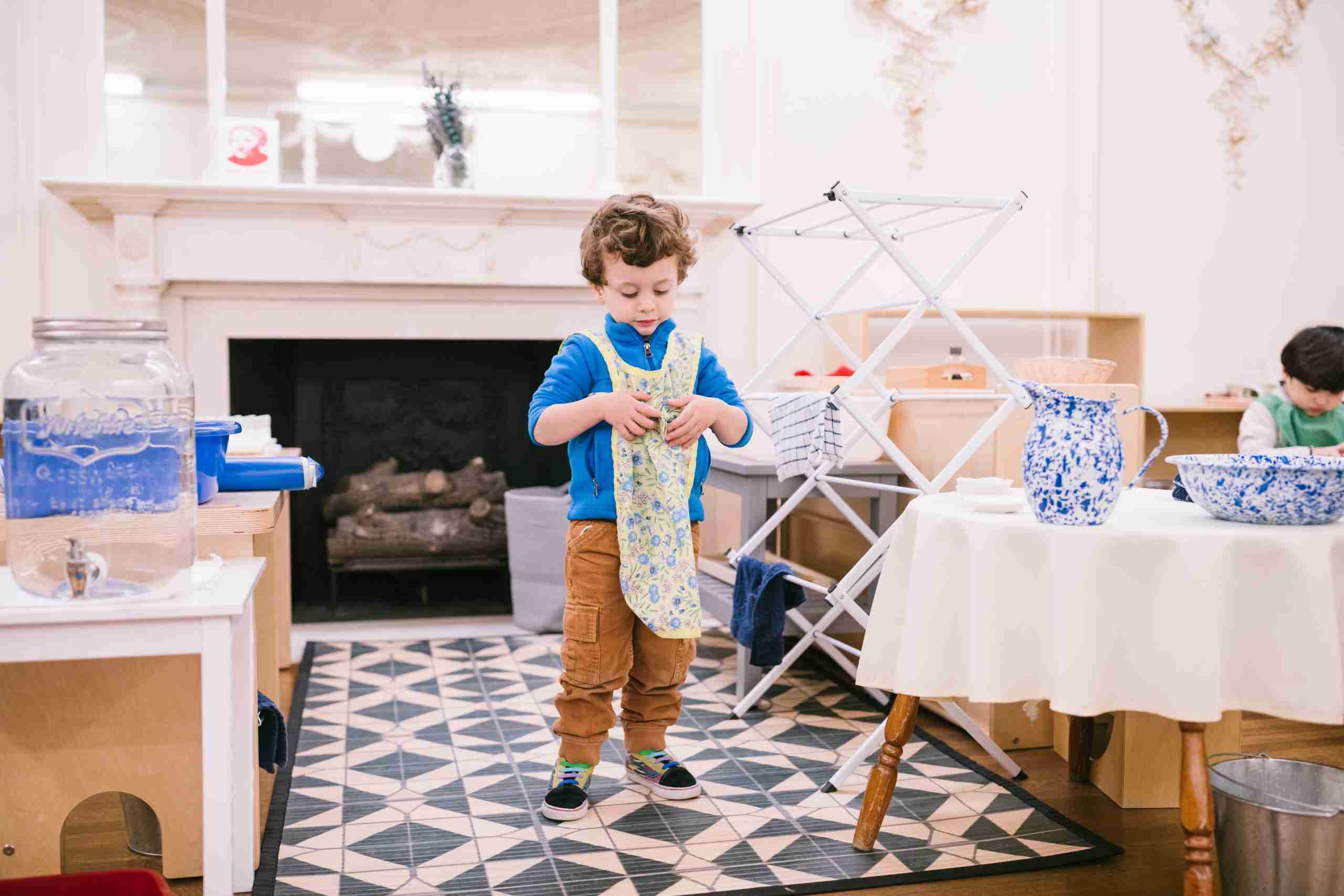
- Shows interest in helping with simple tasks like wiping a spill or putting toys away
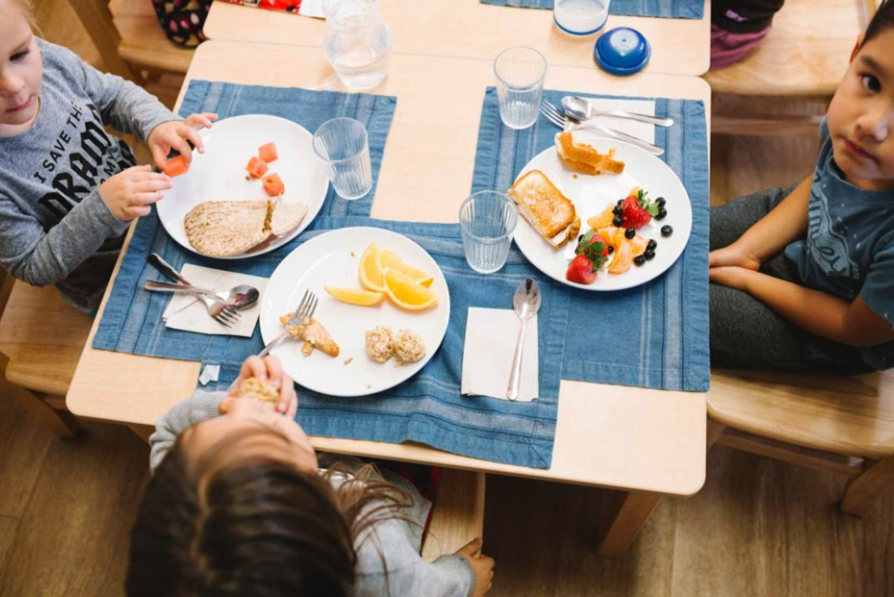
- Wants to feed themselves, even if it is messy
- Begins to follow simple routines with support
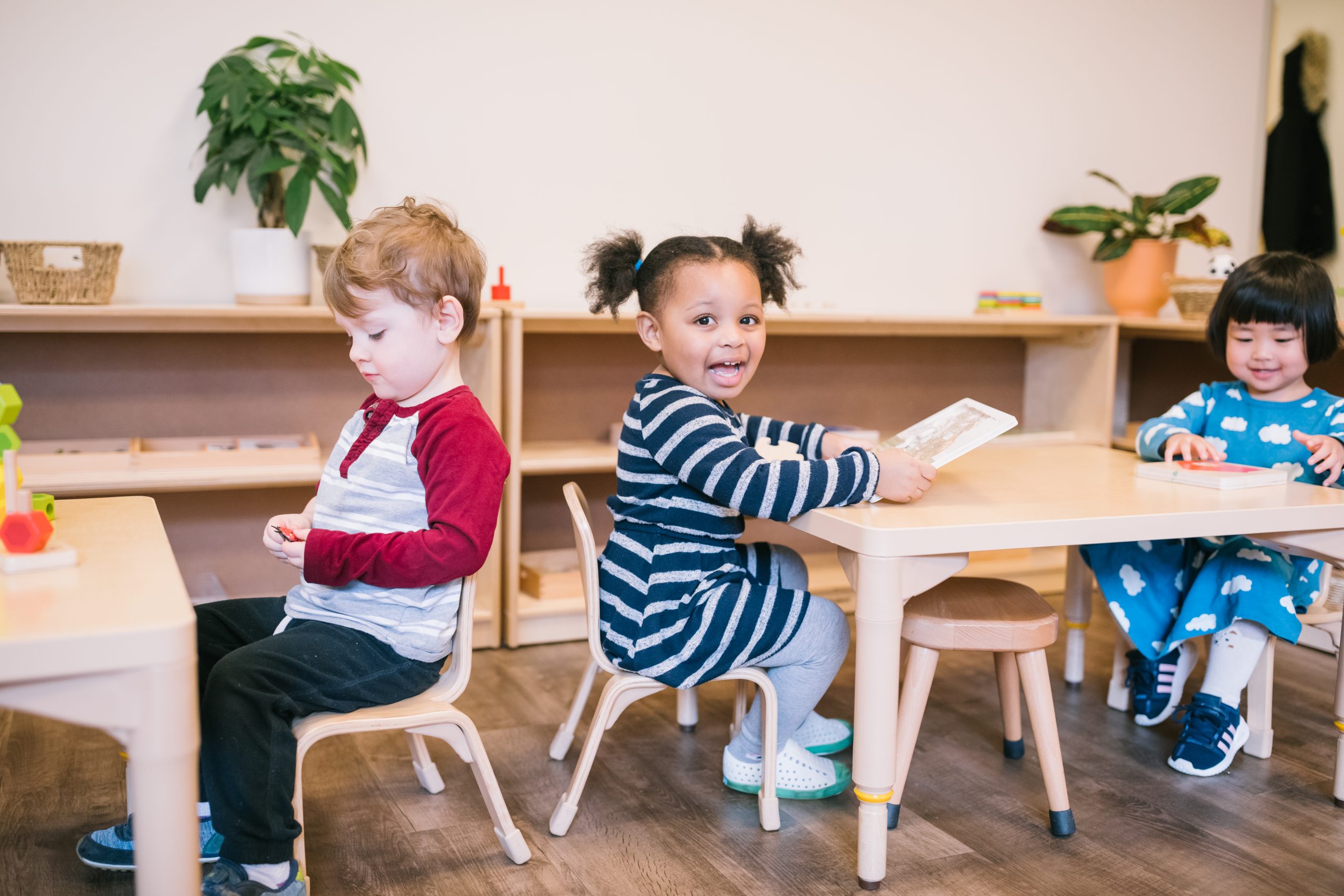
- Shows curiosity about other children, even if play is still parallel
- Can separate from a caregiver for short periods with reassurance
- Communicates needs through words, gestures, or consistent cues
A two-year-old does not need to be verbal, compliant, or socially confident to be ready. What matters is whether they are beginning to seek autonomy and engagement beyond the home.
A developmentally appropriate preschool environment at this age emphasizes:
- Predictable routines
- Calm transitions
- Freedom of movement
- Practical life activities
- Warm, consistent adults

Preschool Readiness at Age 3
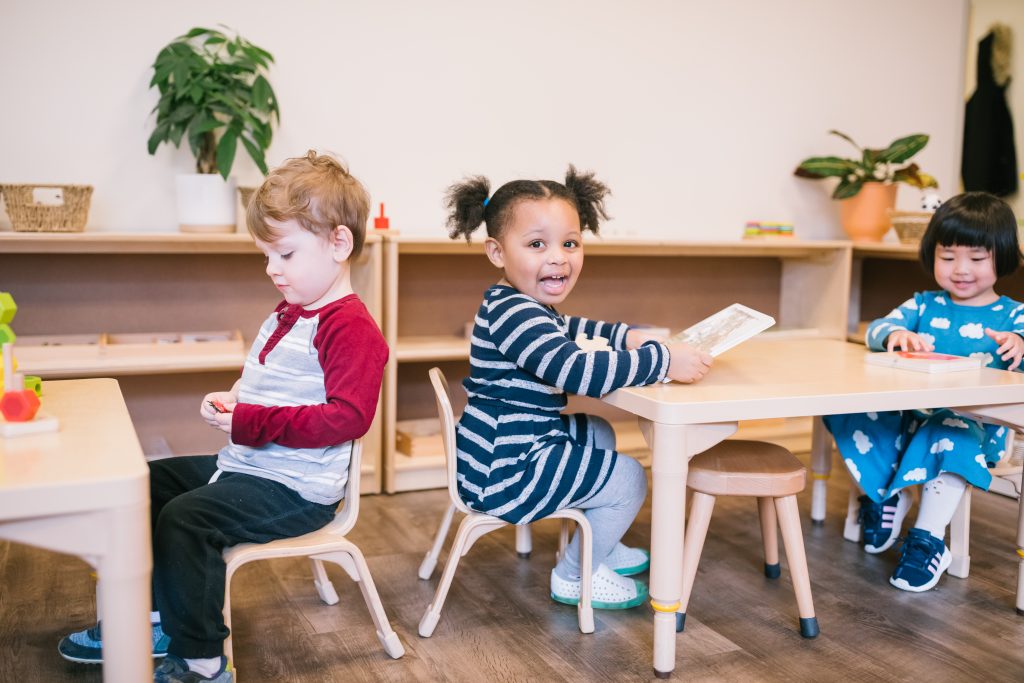
Age 3 is often when parents notice a shift. Children may become more expressive, more opinionated, and more emotionally intense.
This is not regression. It is growth.
At this stage, readiness often shows up as a desire to belong and participate.
Signs a 3-year-old may be ready for preschool
- Begins to engage in short periods of focused activity
- Shows interest in doing things “by myself”
- Can follow multi-step routines with reminders
- Experiences big emotions but can recover with adult support
- Begins to engage socially, even if conflicts are common
- Shows pride in completing tasks independently
Many parents worry that emotional outbursts mean a child is not ready. In reality, preschool is often the environment where emotional regulation develops most naturally when adults are trained to support it.
For three-year-olds, the environment matters more than the age.

Preschool Readiness at Age 4
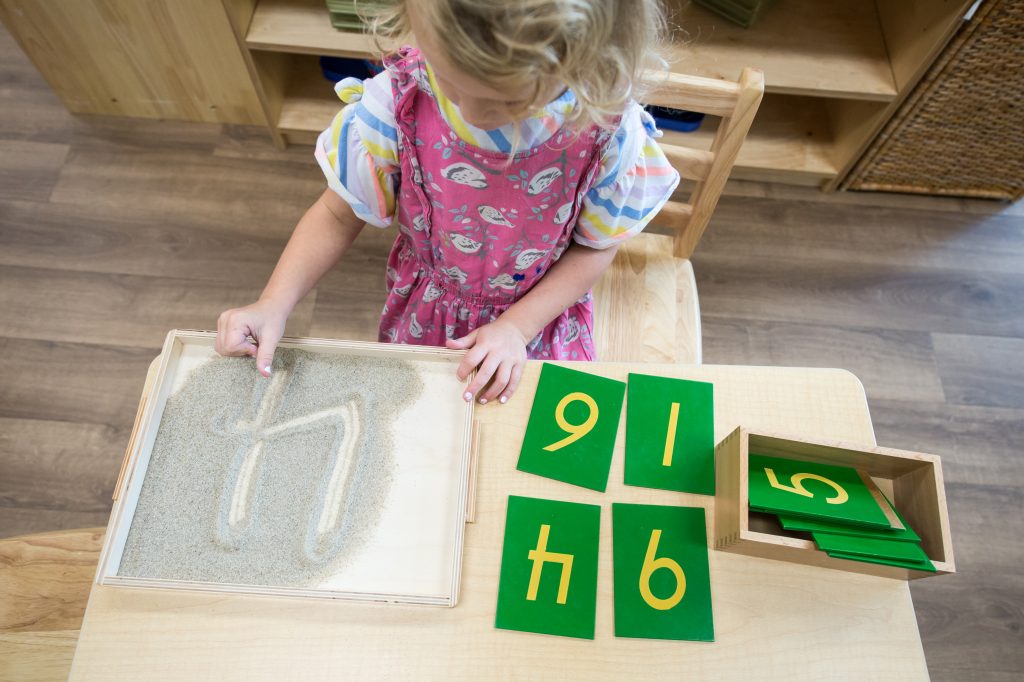
By age 4, children are often developmentally primed for deeper engagement, longer concentration, and more complex social interactions.
Readiness at this age is less about basic separation and more about sustained participation.
Signs a 4-year-old may be ready for preschool
- Can concentrate on an activity for 15–30 minutes
- Takes pride in doing meaningful work
- Begins to resolve simple conflicts with guidance
- Understands and follows classroom routines
- Shows curiosity about letters, numbers, and patterns naturally
- Seeks responsibility and leadership roles
At this stage, the biggest risk is placing a child in an environment that prioritizes performance over process.
Four-year-olds thrive when learning feels purposeful, hands-on, and self-directed rather than rushed or tested.
Preschool Readiness at Age 5
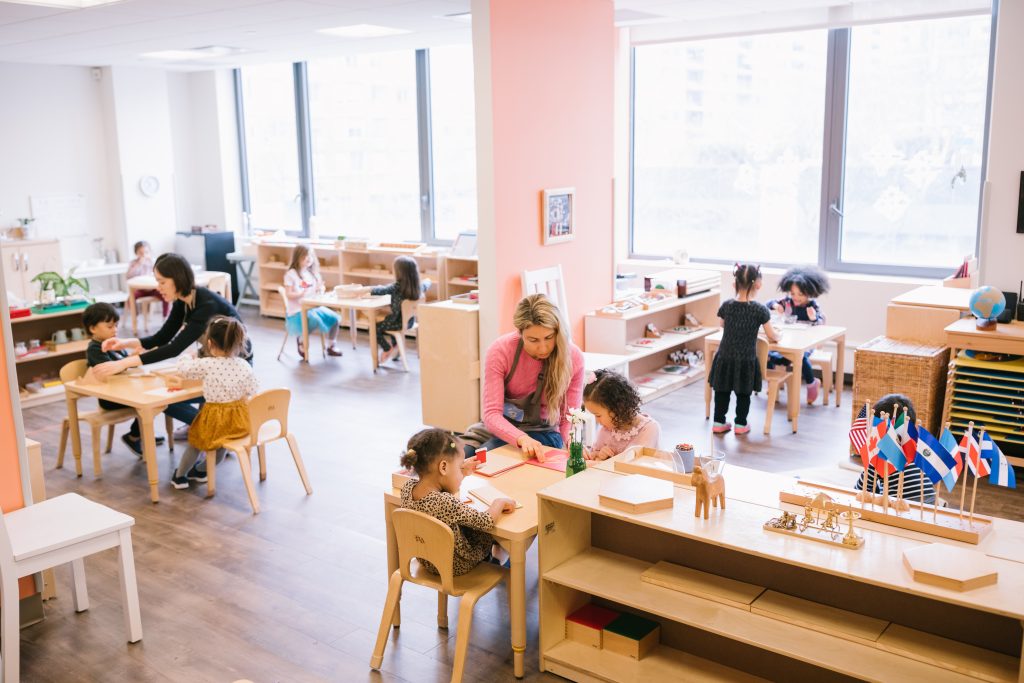
Five-year-olds often carry quiet confidence when they have had time to develop foundational independence.
Preschool readiness at this age is often about refinement rather than readiness itself.
Signs a 5-year-old is thriving in a preschool environment
- Sustains concentration for extended periods
- Takes initiative and responsibility
- Mentors younger peers
- Navigates social situations with increasing empathy
- Approaches learning with curiosity rather than pressure
- Demonstrates self-regulation with occasional support
In Montessori environments, five-year-olds often serve as classroom leaders. Their confidence grows not because they are pushed ahead, but because they have mastered the fundamentals at their own pace.

A Preschool Readiness Checklist for Parents
Rather than asking whether your child meets every item below, consider how often you find yourself answering “sometimes.”
That is where growth lives.
Developmental readiness reflections
- My child shows interest in doing things independently
- My child benefits from predictable routines
- My child is curious about their environment
- My child can focus on activities that interest them
- My child expresses emotions, even when big
- My child enjoys being part of something beyond the home
Readiness is not a moment. It is a pattern.
Is My Child Ready for Preschool? What Parents Are Really Asking
Many parents search for “preschool vs daycare” when what they are really asking is:
Will my child be cared for, and will they grow?
Daycare focuses primarily on supervision and care. Preschool focuses on development. Montessori environments integrate both by treating care as part of learning.
The distinction is not about hours or labels. It is about intention, training, and environment.
A preschool environment that honors development:
- Supports independence
- Encourages concentration
- Allows freedom within structure
- Trains adults to observe rather than control
- Respects each child’s individual timeline

Why Preschool Readiness Is Not About Academics
One of the most common misconceptions parents encounter is the idea that preschool readiness means academic readiness.
In reality, early academics emerge naturally when foundational capacities are in place.
Children learn best when they:
- Feel emotionally safe
- Trust the adults around them
- Have agency over their work
- Experience success through effort
- Move their bodies
- Use their hands
When these needs are met, letters and numbers follow organically.
What Kind of Preschool Environment Supports Readiness Best
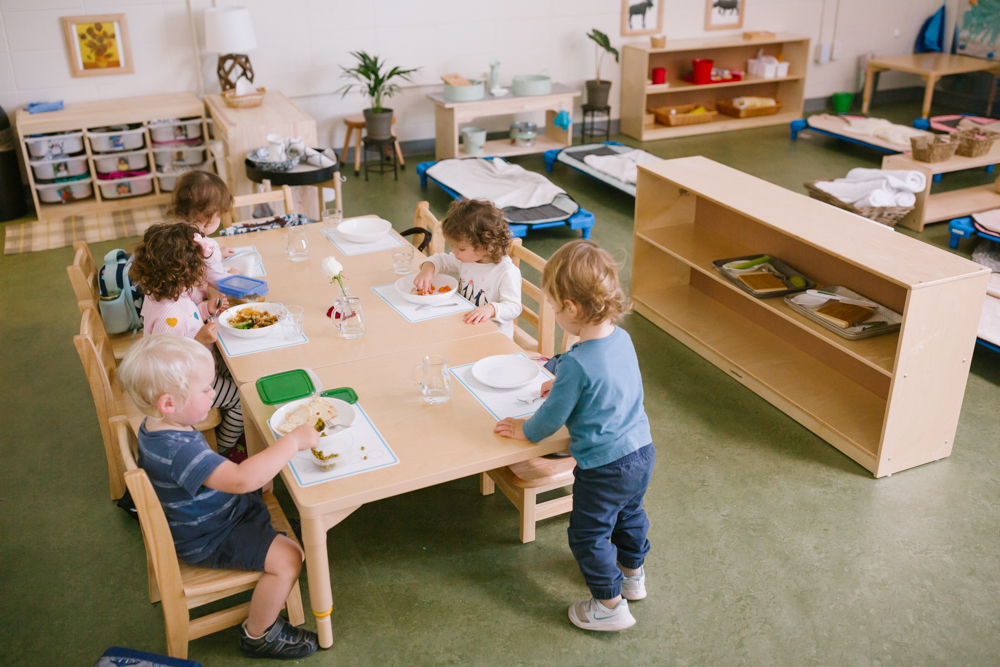
A developmentally aligned preschool environment offers:
- Mixed-age classrooms that normalize growth
- A calm, orderly physical space
- Hands-on materials designed for self-correction
- Trained educators who observe before intervening
- Respect for each child’s pace
This is why Montessori environments are uniquely suited to support preschool readiness across ages 2–5.
At Guidepost Montessori, readiness is not measured by tests or timelines. It is supported through observation, intentional design, and trust in the child’s development.

A Final Reassurance for Parents
If you are asking whether your child is ready for preschool, it likely means you are paying attention.
That matters.
Readiness is not about pushing children forward. It is about recognizing when they are ready for a broader world, and choosing an environment that meets them with respect, patience, and care.
If you are exploring what that environment could look like, we invite you to learn more about how Montessori supports children at every stage of early development.
Additionally, if you live locally near one of our schools, we’d welcome you to book a tour and see a Guidepost classroom in action!
Whatever decision you make, trust that your attention, care, and intention are already laying a strong foundation for your child’s next chapter.