Why Children Struggle During the Holidays
For many families, maintaining Montessori during the holidays feels like a season of contradiction. Life slows down, yet feels more full. Schedules loosen, yet emotions intensify. Work pauses for some families, continues quietly for others, and children sense the shift immediately, even when they cannot explain it.
When parents ask how to “Montessori during the holidays”, they are rarely asking for themed activities or elaborate plans.
What they are really asking is this:
- How do we keep our children grounded when everything feels different?
- How do we slow down without losing all structure?
- How do we support independence, calm, and connection when routine gives way to flexibility?
At Guidepost Montessori, we approach the holidays as a season of balance. Montessori does not disappear when life changes pace. It adapts. The principles remain steady even when the days look different.
This guide is written for real families navigating the holidays at home. Families traveling and families staying close. Parents who are fully off work and parents who are still balancing deadlines. Children who feel joyful one moment and overwhelmed the next.

Start With the Environment. Always.
When children feel unsettled during the holidays, the environment is often the first place to look.
Holiday life tends to add more.
More decorations, more toys, more noise, more stimulation.
Montessori asks us to pause and simplify instead.
Practical ways to reset your space:
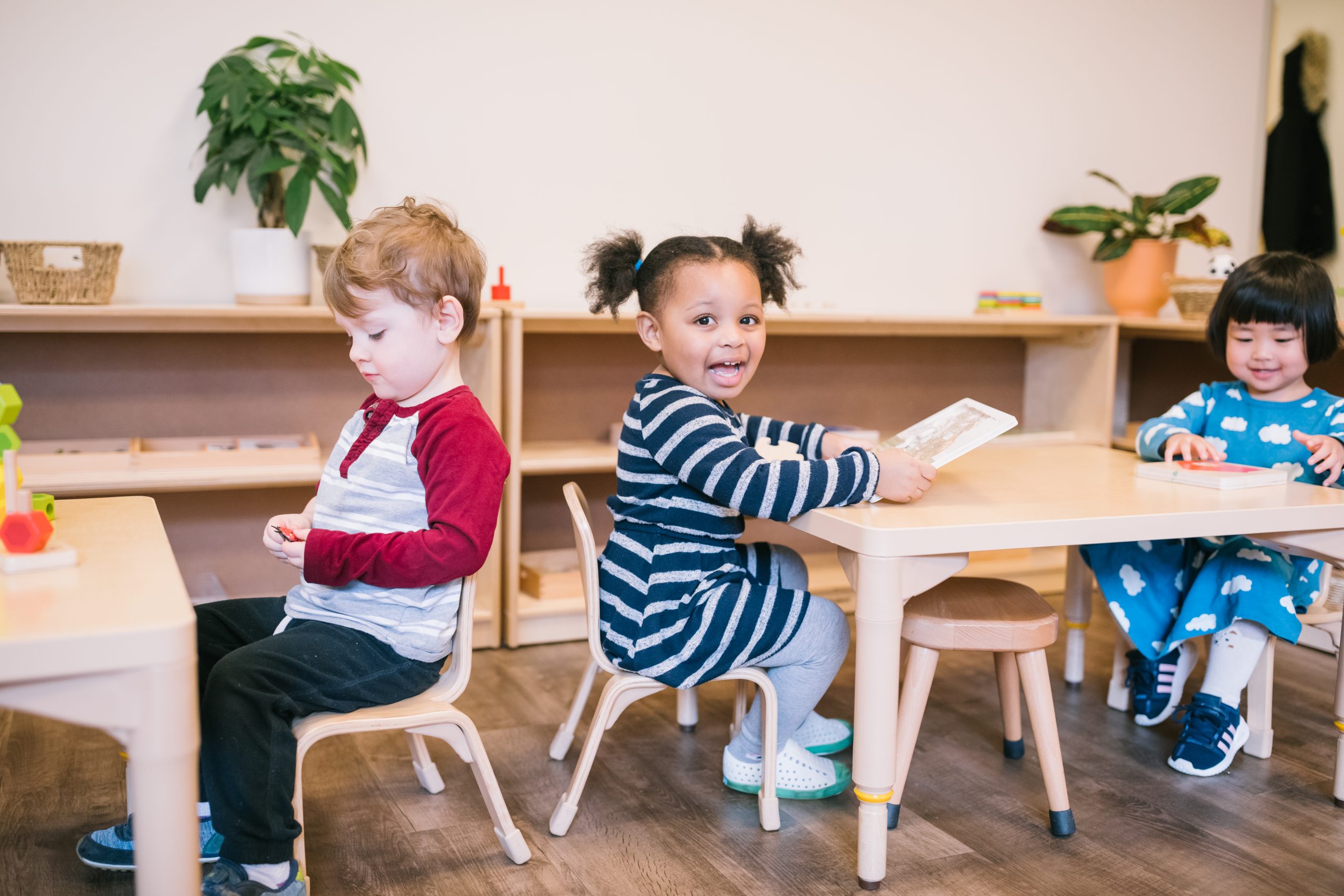
- Put away toys that are loud, flashy, or rarely used. Fewer choices support deeper focus.
- Create one calm area with books, paper, pencils, or art materials.
- Choose softer lighting where possible instead of bright overhead lights.
- Let decorations be intentional. Natural materials like wood, wool, greenery, and cotton support a sense of calm.
A simplified environment helps children regulate themselves. It communicates safety, clarity, and space to breathe.

Keep Rhythm, Not Rigidity
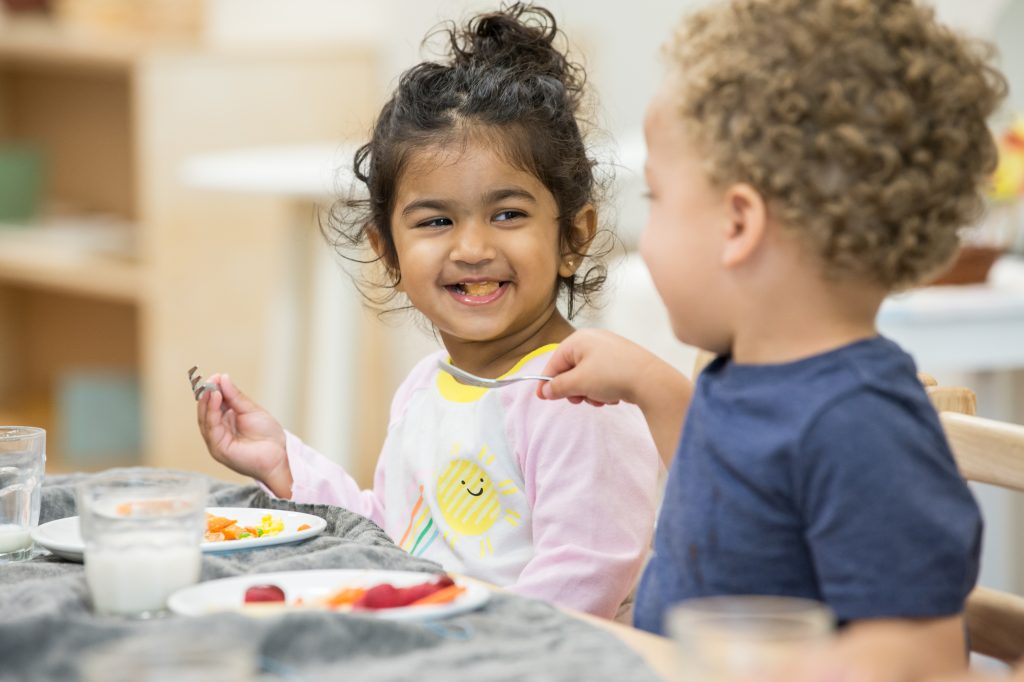
The holidays rarely follow a predictable schedule. Montessori does not depend on rigid routines, but on reliable rhythm.
Rather than managing every hour, focus on gentle anchors that stay consistent even when days look different.
Helpful anchors include:
- A familiar morning start that signals the day has begun
- One meaningful activity before lunch
- A quiet or rest period in the afternoon
- A predictable evening rhythm that supports sleep
These anchors matter more than exact timing. They help children orient themselves when the calendar feels fluid.

Use Practical Life to Ground the Day
When children become restless, emotional, or disregulated during the holidays, it is often a sign they are disconnected from meaningful work.
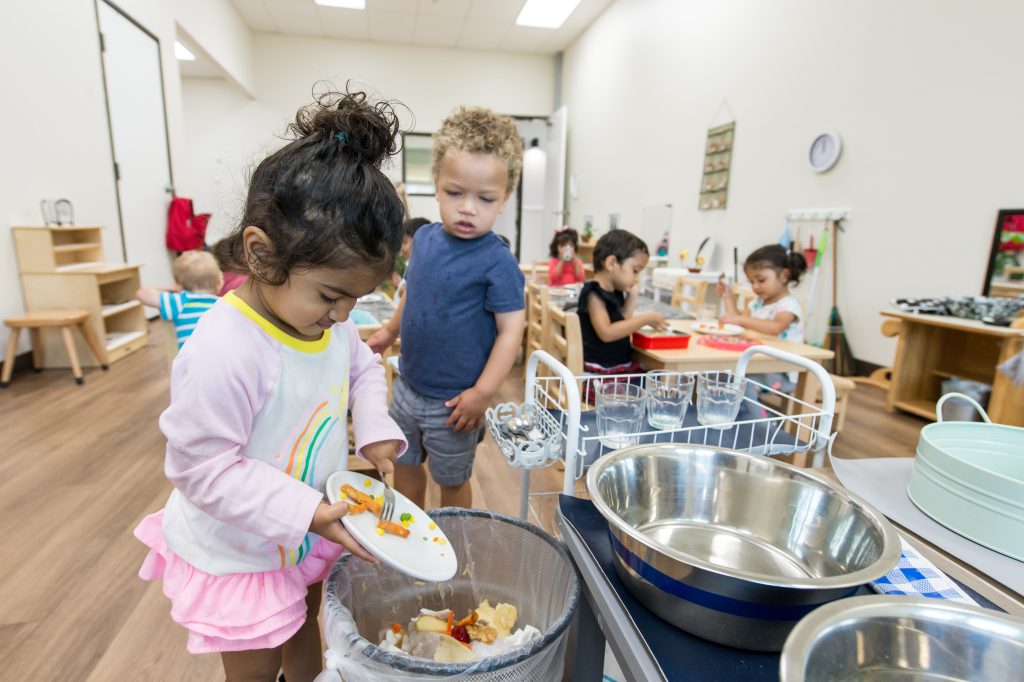
Practical Life is the heart of Montessori during the holidays, and the holidays are full of opportunities for it.
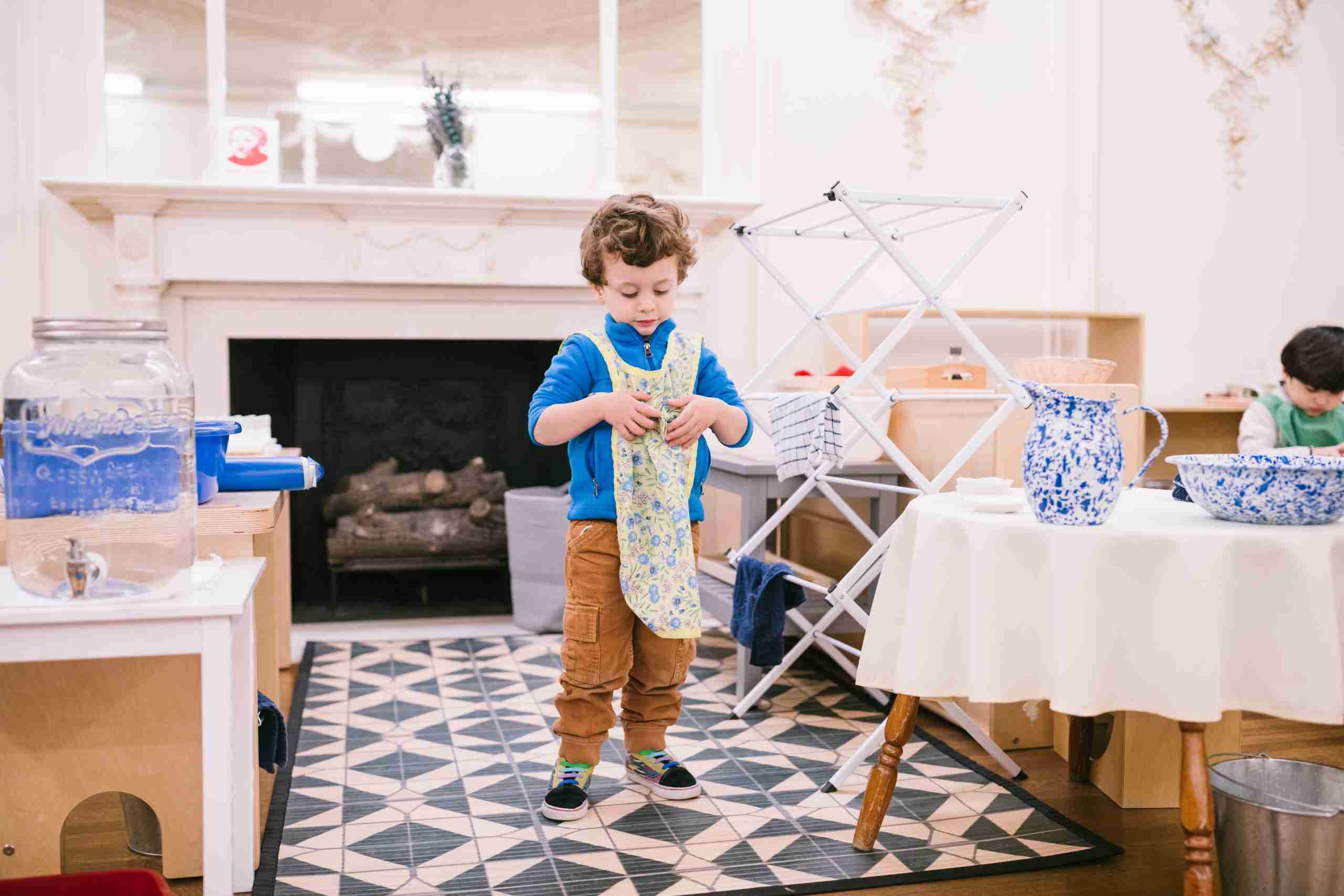
Invite your child into real work that supports the household:
- Baking or cooking from beginning to end
- Washing fruits or vegetables for meals
- Wrapping gifts with real paper, tape, and scissors
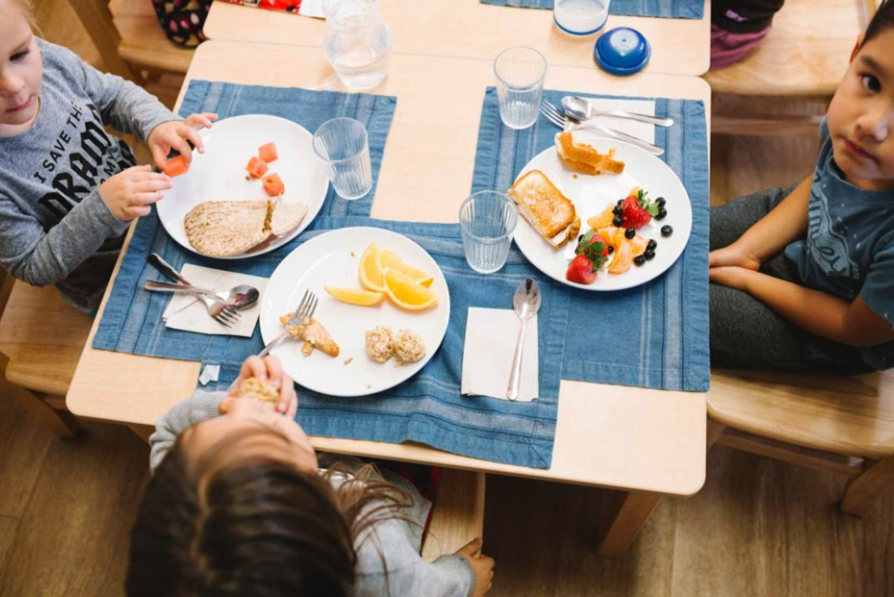
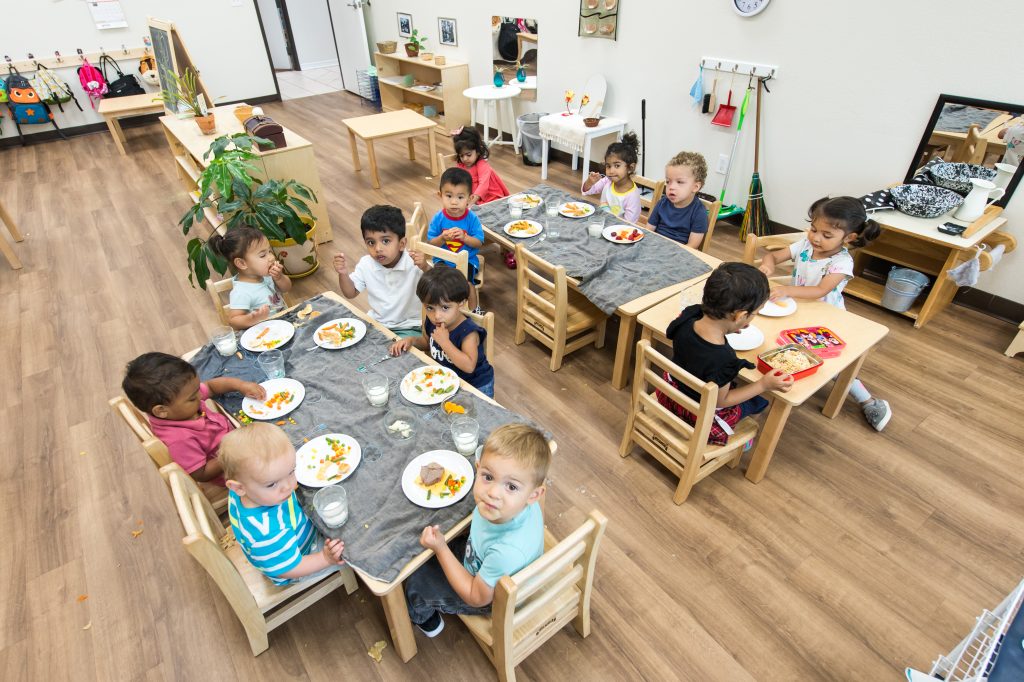
- Preparing the table for shared meals
- Writing notes or drawing pictures for family and friends
- Cleaning shared spaces together after gatherings
These activities build coordination, independence, and confidence. More importantly, they give children a sense of contribution. Children who feel useful often feel calmer and more secure.
For a few fun ideas, click here to read about Montessori during the holiday ideas from the Montessori homeschool collective!

Support Independence When You Are Still Working
For many families, the holidays are not a full stop. Some parents are still working part of the day, checking emails, or balancing quiet deadlines.
Children cope best when expectations are clear.
Helpful strategies include:
- Naming when you are available and when you are not
- Preparing independent activities ahead of time
- Avoiding constant switching between work and interruption
Set out work your child already knows how to use:
- Puzzles, building materials, or art trays
- Books arranged in a cozy reading space
- Folding cloths, sorting utensils, or simple food prep
- Calm games that do not require adult direction
Independence is not something we demand. It is something we prepare for.

Slow the Pace When Emotions Rise
The holidays amplify everything. Excitement, disappointment, fatigue, and big feelings often surface quickly.
In Montessori, the first response to emotional intensity is pace.
When a moment escalates:
- Slow your movements
- Lower your voice
- Name what you see without judgment
- Offer proximity before solutions
Simple language is powerful:
“I see this is hard.”
“It looks like your body needs a pause.”
“We can take a moment together.”
Children learn regulation by borrowing it from the adults around them.
Grace and Courtesy Are Practiced in Real Life
Holiday gatherings offer rich opportunities for social learning. New environments, extended family, and different expectations can be challenging for children.
Rather than correcting after the fact, Montessori during the holidays emphasizes preparation and modeling.
You can support your child by:
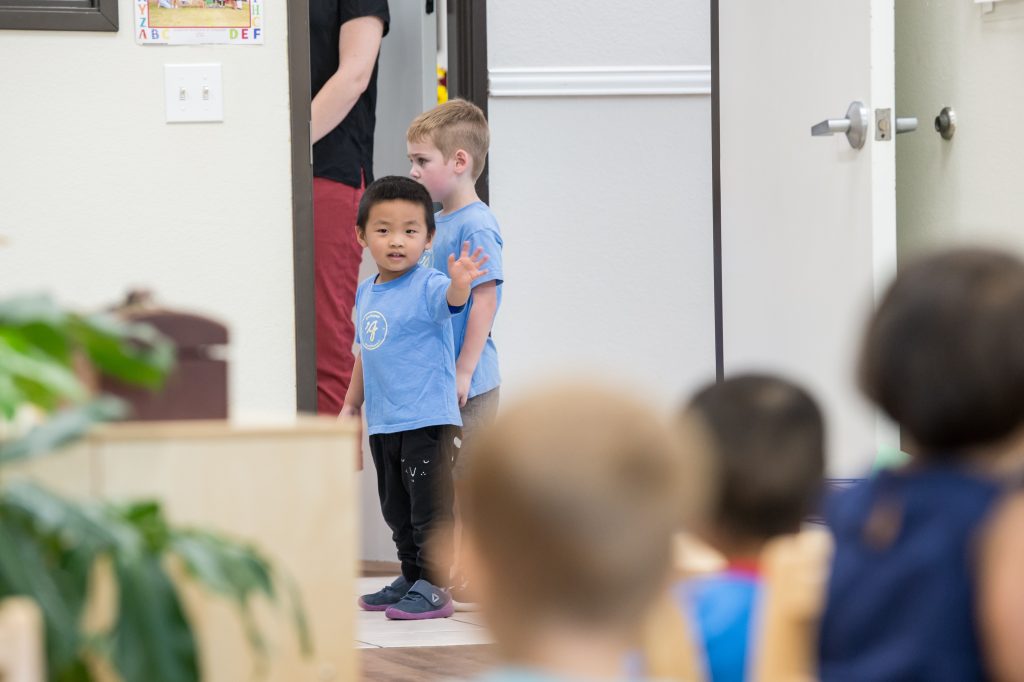
- Practicing greetings and goodbyes ahead of time
- Modeling how to ask for help or space
- Demonstrating gratitude through words and actions
- Showing how to step away when overwhelmed
Grace and courtesy are not lessons we lecture. They are behaviors children absorb through lived experience.

Protect Rest for Everyone
Overstimulation often shows up as behavior. This is true for children and adults alike.
During the holidays, give yourself permission to:
- Say no to optional plans
- Leave early when energy dips
- Keep evenings simple after busy days
- Choose rest over performance
A rested nervous system is the foundation for connection and joy.

Peace Is Something We Prepare For
Dr. Maria Montessori reminded us that peace is not taught through instruction. It is prepared through environment, rhythm, and relationship.
To truly practice Montessori during the holidays, begin by recognizing that peace grows when:
- Expectations are realistic
- Children are trusted with real responsibility
- Adults move with intention rather than urgency
- The home feels calm enough to settle into
The holidays do not need to be extraordinary to be meaningful.

A Guidepost Way Through the Holidays
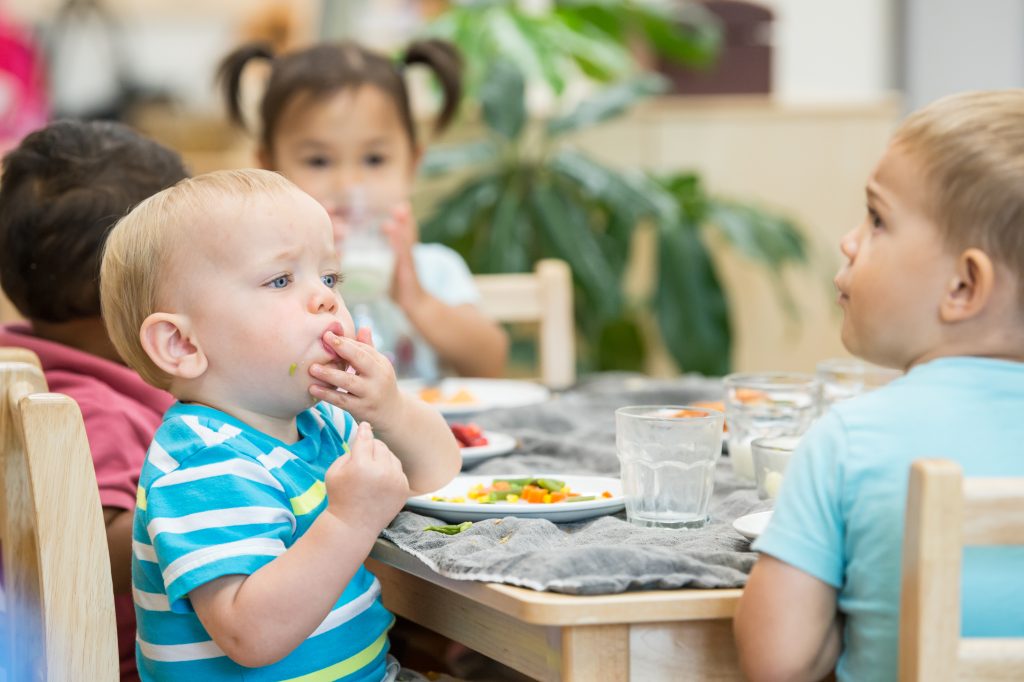
At Guidepost Montessori, we believe childhood deserves dignity, especially during busy seasons.
Montessori during the holidays is not about doing more for children. It is about inviting children into the real life of the family with care, clarity, and respect.
What children remember lasts far beyond the season:
- Being trusted to help
- Feeling calm in a prepared space
- Working alongside adults who valued their effort
- Being seen for who they are
That is how we Montessori during the holidays. Not perfectly, but intentionally.