
our curriculum.
A developmental journey that nurtures curiosity, confidence, and real-world capability, from infancy through Kindergarten.
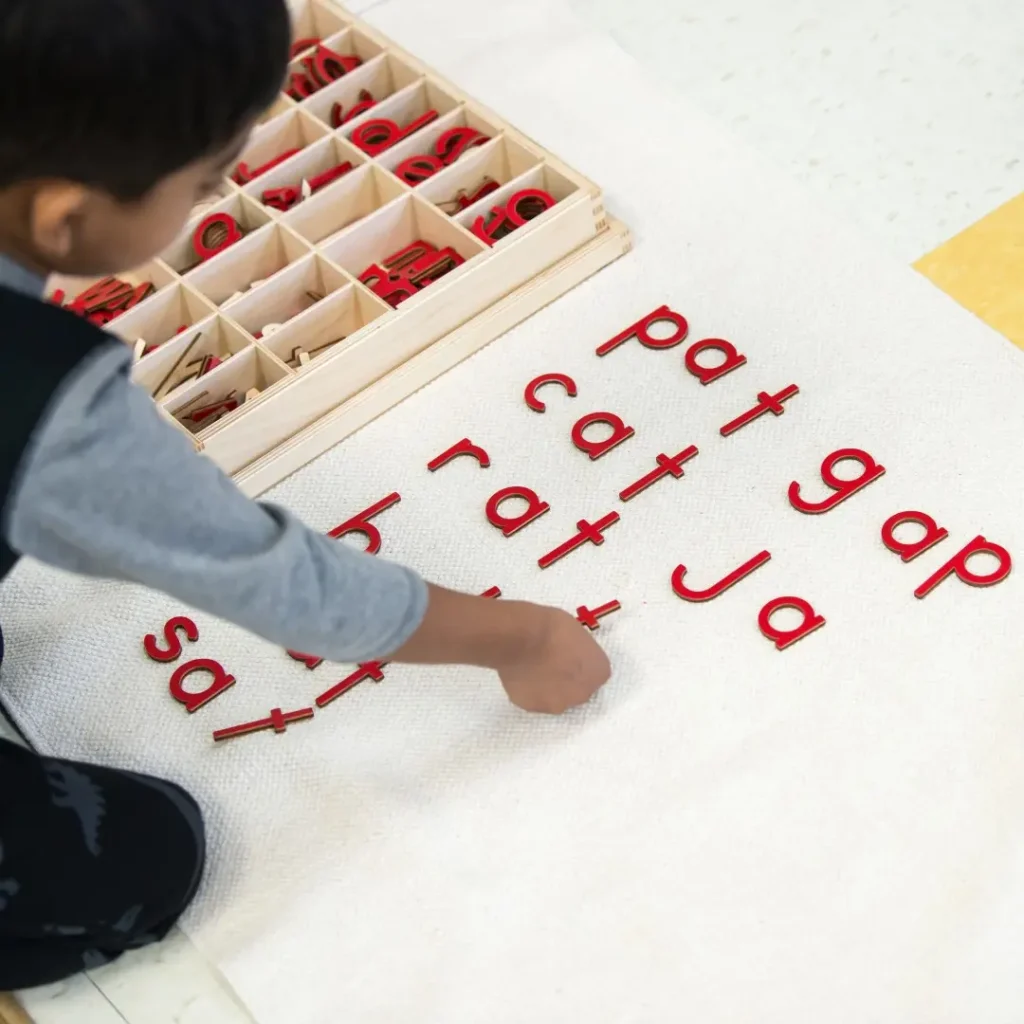
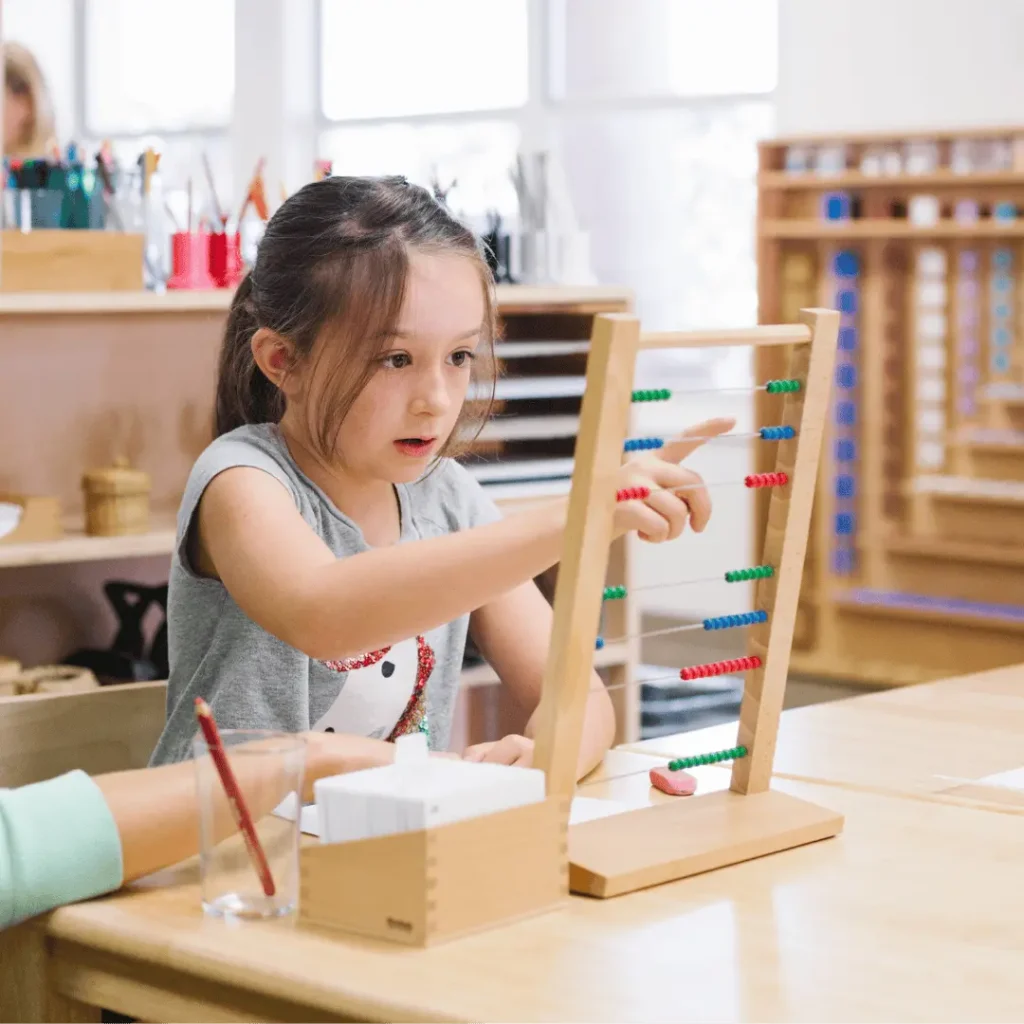
At Guidepost, learning is not rushed. It is designed as a developmental journey that begins with the child’s natural curiosity and builds toward confident independence. Our curriculum honors how children actually learn at each stage and supports the formation of strong academic foundations, social emotional skills, and real world capability that lasts for life.
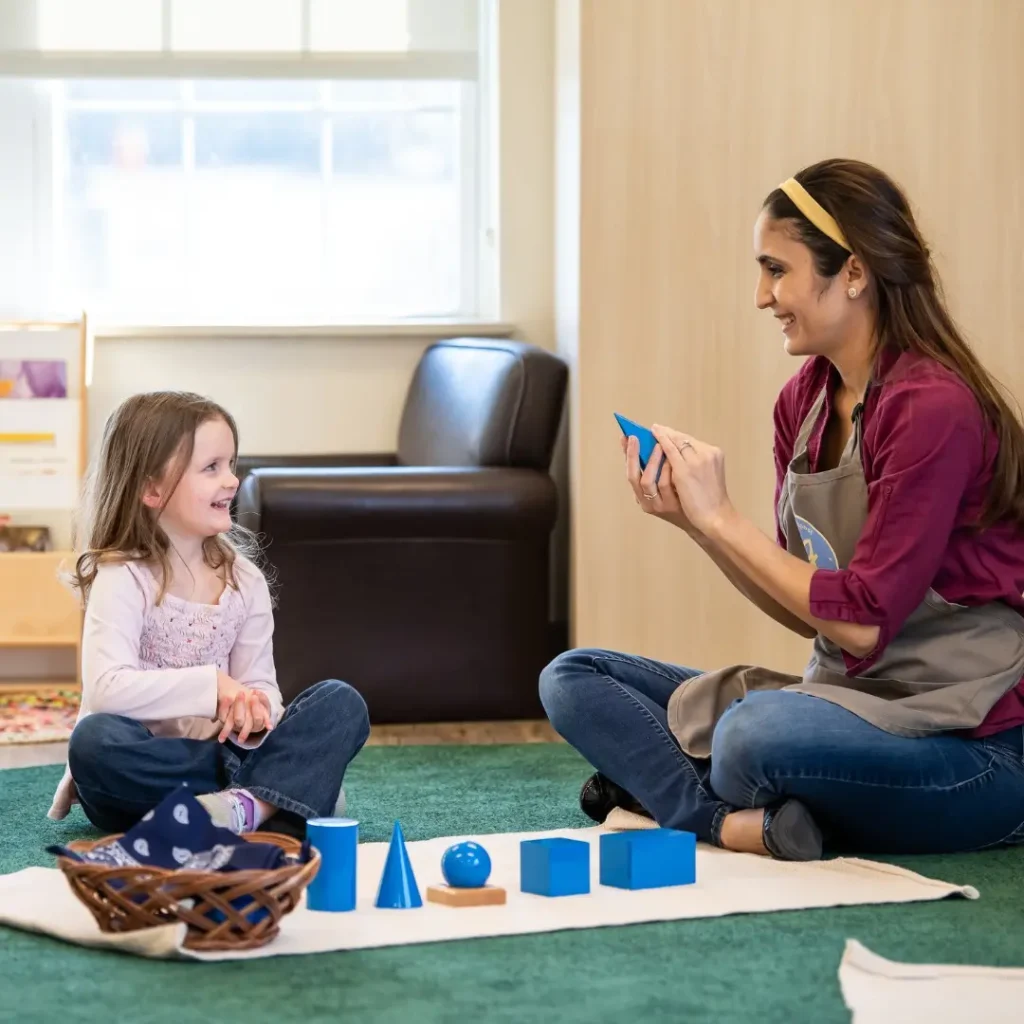
Everything inside our classrooms, from materials to movement to peer collaboration, is intentional. Children progress through each area of study at their own pace with hands on exploration, precise materials, and thoughtful guidance that builds toward mastery.
how the montessori journey unfolds:
From infancy through Kindergarten, your child will move through a carefully sequenced progression in language, mathematics, practical life, sensorial, science, cultural studies, and the fine arts. At every age, the focus is on developing concentration, confidence, and ownership over learning.
what families can expect
Children at Guidepost:
Strong academic foundations
Build strong literacy and math foundations through hands on materials and tactile exploration.
Growing executive functioning
Develop executive functioning skills such as focus, self regulation, persistence, and problem solving.
Social and emotional intelligence
Strengthen social emotional intelligence through grace and courtesy lessons, respectful communication, and collaborative work.
Confidence and independence
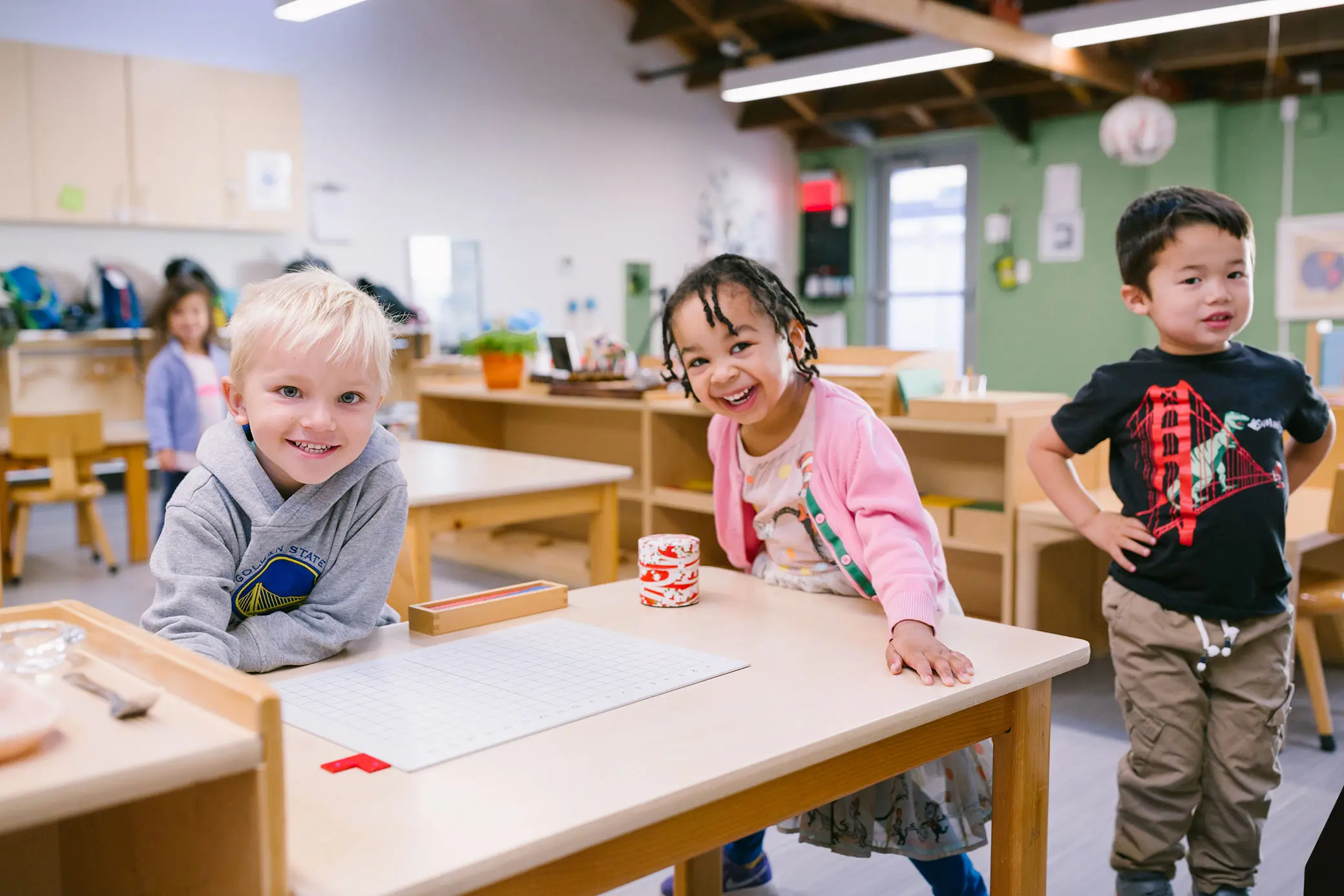
Become capable, independent, confident young learners who love school and love learning.
explore the curriculum areas.
Each major area of the Montessori curriculum is intentionally designed to support a different aspect of development. Parents can learn more about how each subject progresses through early childhood here:
curriculum overview:
| Nido Ages 6 weeks – 16 months | Toddler Ages 16 months – 2.5 years | |
|---|---|---|
|
The Great Story of Humanity |
In the first six years of life, children learn about the world by asking “what” – a question that prepares them to ask “why” as they grow. We initially approach history through a study of the physical world. By studying geography, children lay the groundwork for understanding civilization. | |
|
||
| Literature | The first introduction to reading is as a joyful adventure. Reading is a source of inspiration, a means of accessing new worlds and new adventures, and the first introduction to heroes. Above all, in early childhood, we build in children a love of reading. | |
|
|
|
|
Writing and Communication |
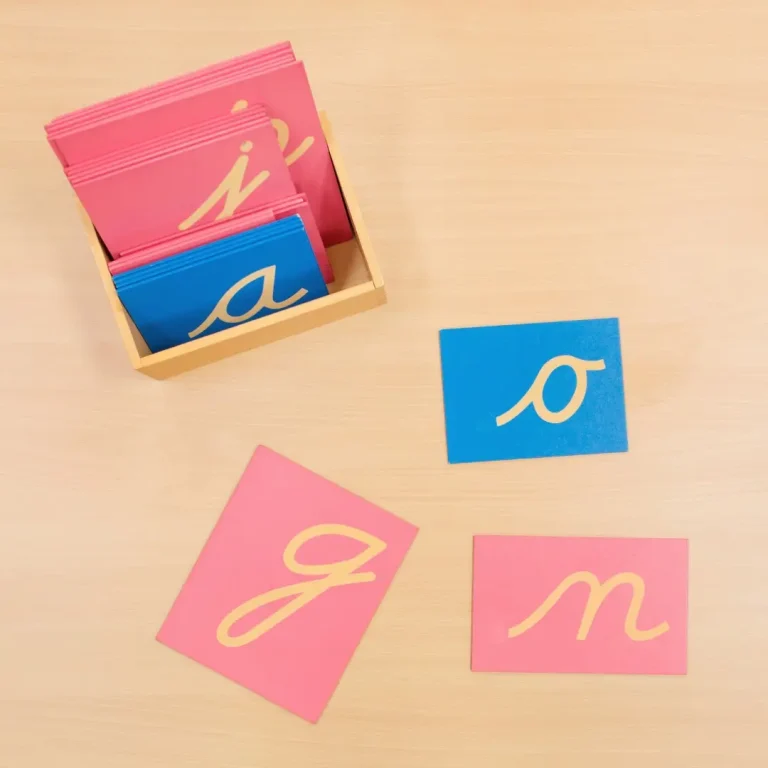
Writing is introduced by introducing specific component skills independently, from sound games that isolate auditory input to the mechanics of holding a pencil. These exercises are designed to welcome children into literacy in a way that is exciting, joyful, and inspiring. | |
|
|
|
| Fine Arts | We introduce children to the full range of beauty that exists in the human world, helping them build an appreciation for the beautiful and the orderly. | |
|
||
| Science | The scientific method requires observation, analysis, and a focus on objective reality. We lay the groundwork for all of these skills starting from infancy. | |
|
||
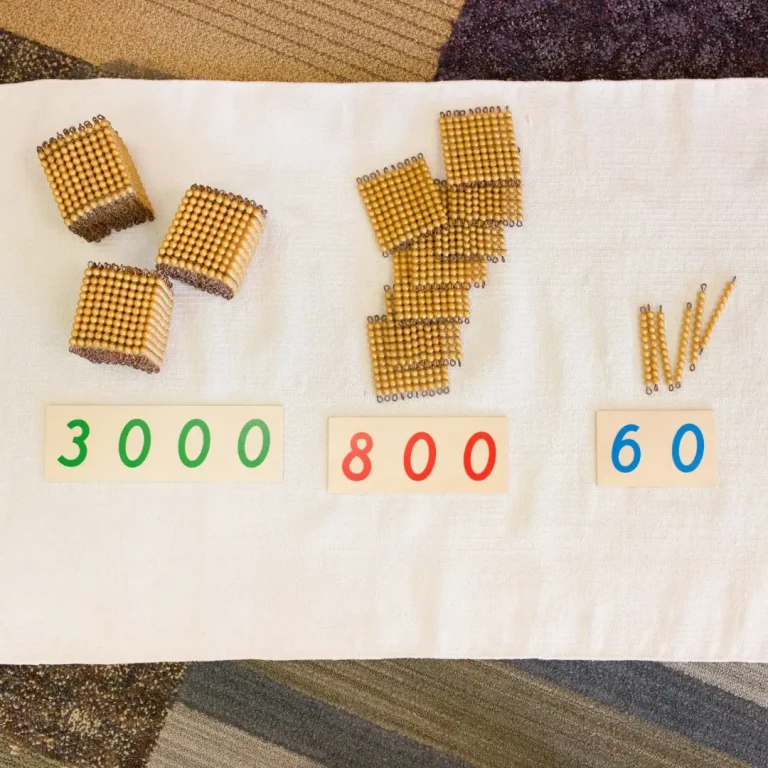
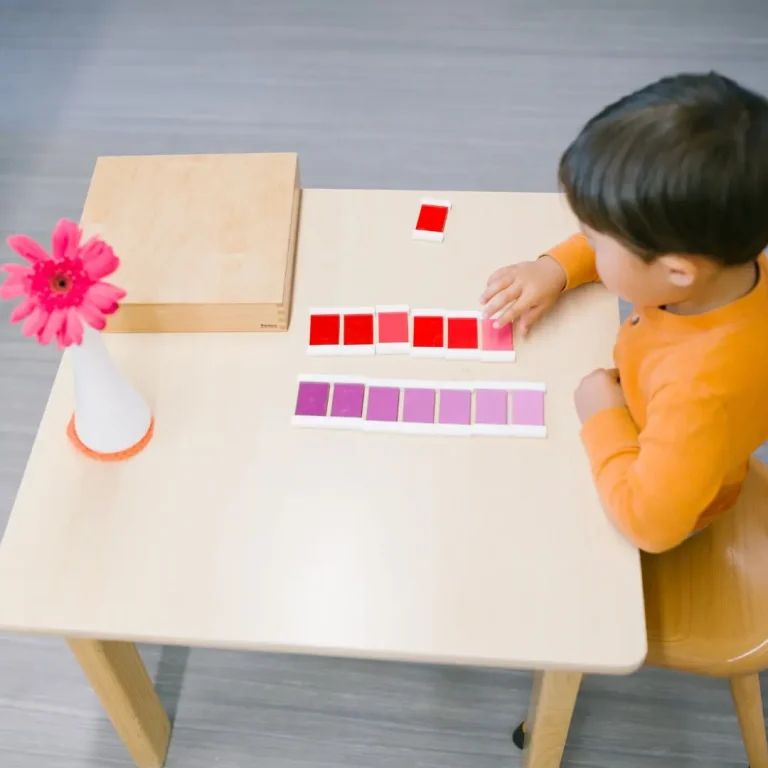
| Mathematics | Mathematics is inherently fascinating to a young child. The ability to understand the world through quantity, categorization, sorting, and pattern recognition brings joy and excitement. The Montessori math materials provide an unparalleled method for developing a deep understanding of mathematical relationships and operations, resulting in mastery of mathematical concepts years ahead of traditional educational approaches. | |
|
|
|
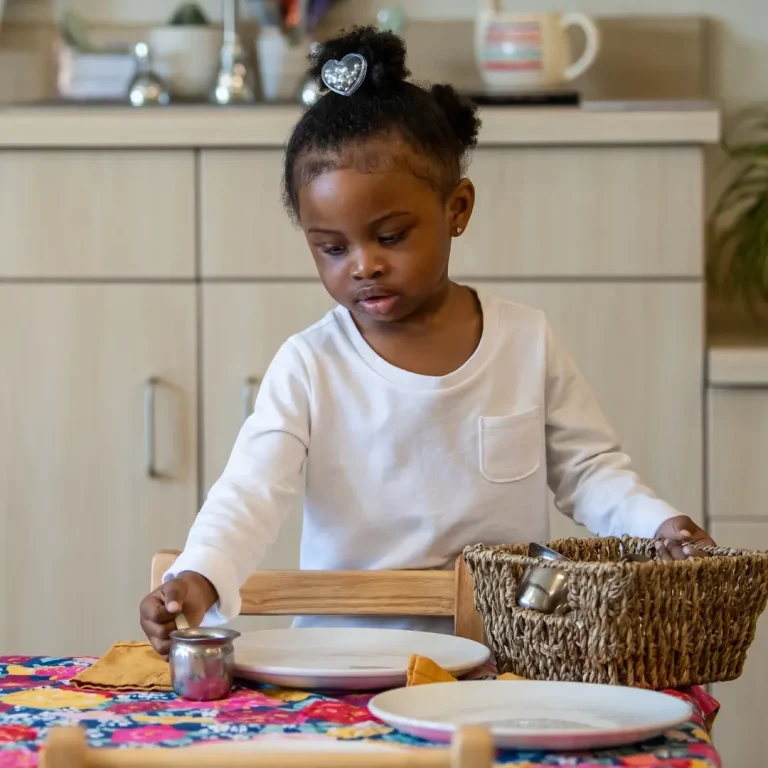
| Practical Life | Practical life is the heart of the classroom in early childhood. Complex, multi-step exercises that tap into a child’s natural motivations and desire to mirror adult tasks is the path to developing executive functioning, logical thinking, and concentration. | |
|
||
| Pursuits | Montessori defines the first six years of life as the “first plane of development.” In this plane, children are striving for physical independence. They yearn to master their own bodies, and the physical world around them. Everything about the classroom environment is designed to support this need. | |
|
||
| Children’s House Ages 2.5 – 6 years | |
|---|---|
|
The Great Story of Humanity |
In the first six years of life, children learn about the world by asking “what” – a question that prepares them to ask “why” as they grow. We initially approach history through a study of the physical world. By studying geography, children lay the groundwork for understanding civilization. |
|
|
| Literature | The first introduction to reading is as a joyful adventure. Reading is a source of inspiration, a means of accessing new worlds and new adventures, and the first introduction to heroes. Above all, in early childhood, we build in children a love of reading. |
|
|
|
Writing and Communication |
Writing is introduced by introducing specific component skills independently, from sound games that isolate auditory input to the mechanics of holding a pencil. These exercises are designed to welcome children into literacy in a way that is exciting, joyful, and inspiring. |
|
|
| Fine Arts | We introduce children to the full range of beauty that exists in the human world, helping them build an appreciation for the beautiful and the orderly. |
|
|
| Science | The scientific method requires observation, analysis, and a focus on objective reality. We lay the groundwork for all of these skills starting from infancy. |
|
|
| Mathematics | Mathematics is inherently fascinating to a young child. The ability to understand the world through quantity, categorization, sorting, and pattern recognition brings joy and excitement. The Montessori math materials provide an unparalleled method for developing a deep understanding of mathematical relationships and operations, resulting in mastery of mathematical concepts years ahead of traditional educational approaches. |
|
|
| Practical Life | Practical life is the heart of the classroom in early childhood. Complex, multi-step exercises that tap into a child's natural motivations and desire to mirror adult tasks is the path to developing executive functioning, logical thinking, and concentration. |
|
|
| Pursuits | Montessori defines the first six years of life as the “first plane of development.” In this plane, children are striving for physical independence. They yearn to master their own bodies, and the physical world around them. Everything about the classroom environment is designed to support this need. |
|
|
progress and assessment.
Progress at Guidepost is grounded in careful observation. We do not rely on traditional grades or pressure based evaluation. Instead, our Guides study each child’s current developmental stage so lessons can be personalized and meaningful.
We track progress through:
Careful Observation
Guides observe the child’s emerging interests, concentration patterns, and skill development. This allows us to support the child at the right moment with the right material.
Thoughtful Lesson Planning
Lessons are sequenced based on readiness. Each step a child takes is purposeful, and each lesson prepares the child for the next level of challenge and independence.
Transparent Parent Partnership
Families can see their child’s learning journey from the moment they join our school network. Parents understand exactly what their child is learning, how they are progressing, and what is coming next.
Our goal is to ensure children are not only progressing academically, but also growing in confidence, independence, and developing a lifelong love of learning.
designed for lifelong outcomes.
We believe children do not need pressure to become exceptional. They need meaningful work, joy in learning, and room to grow at their own pace. When children love what they are doing and feel trusted to explore and master new skills, they naturally build strength, discipline, confidence, and resilience.
Montessori is not about rushing or pushing. It is about raising grounded, capable humans who develop the internal power to take on anything life brings, both now and in the future.