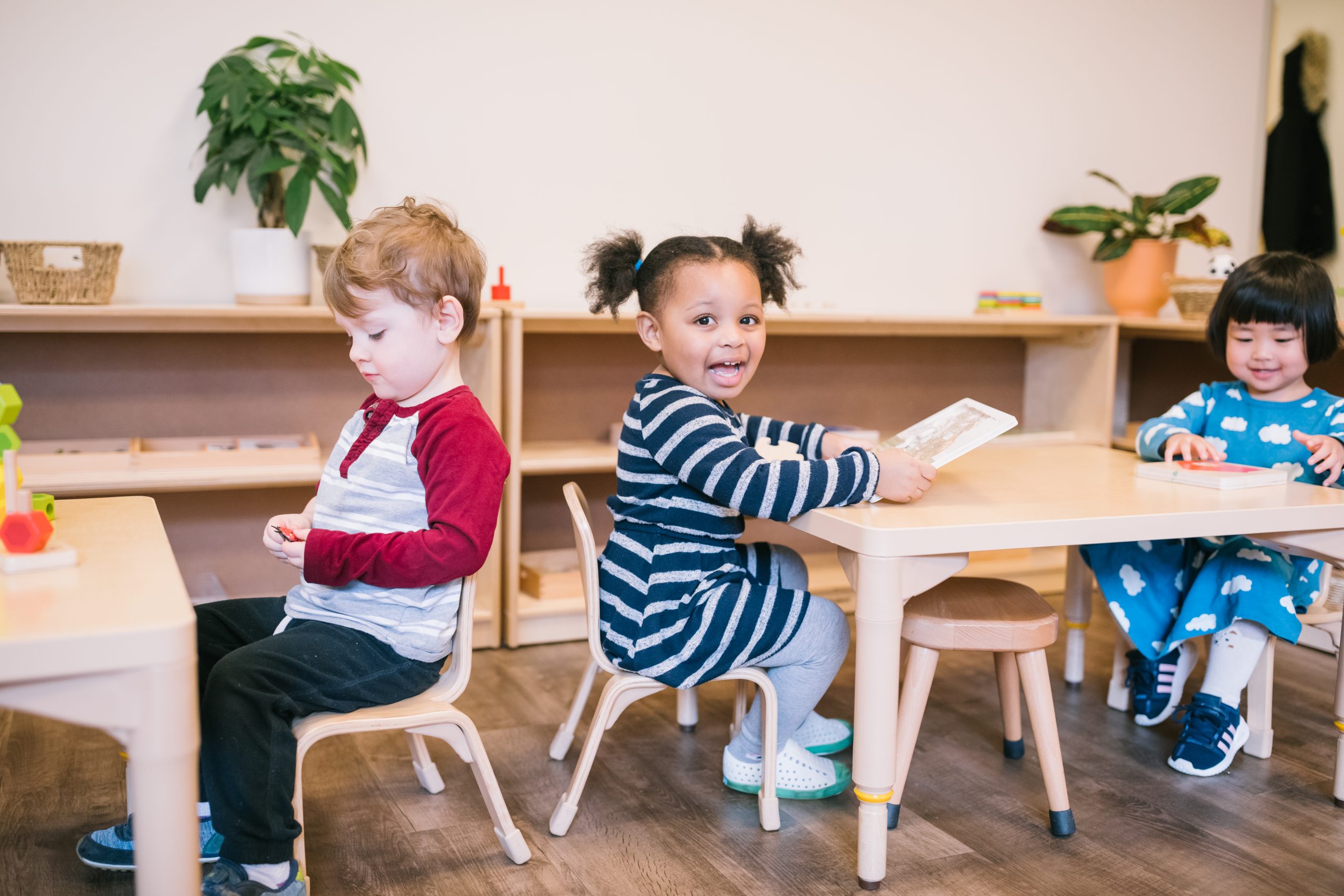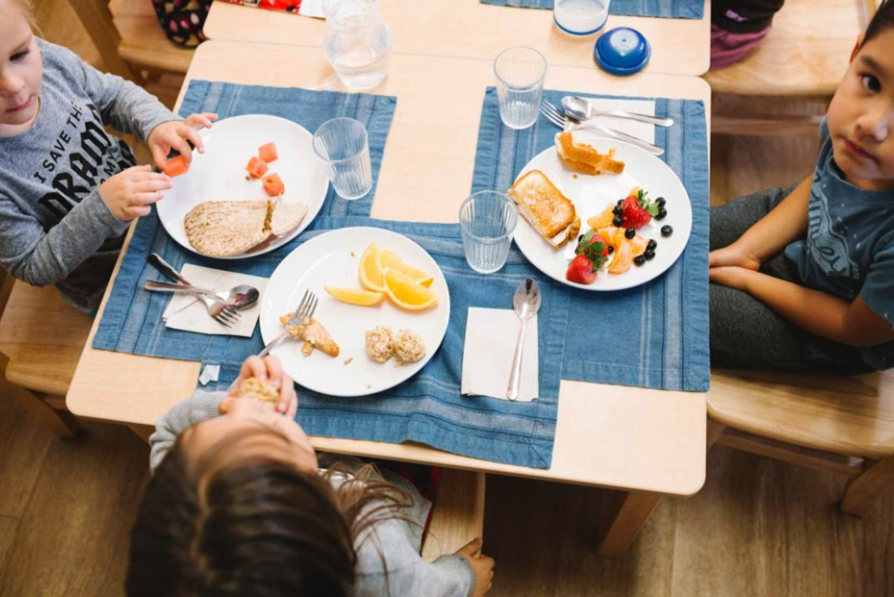
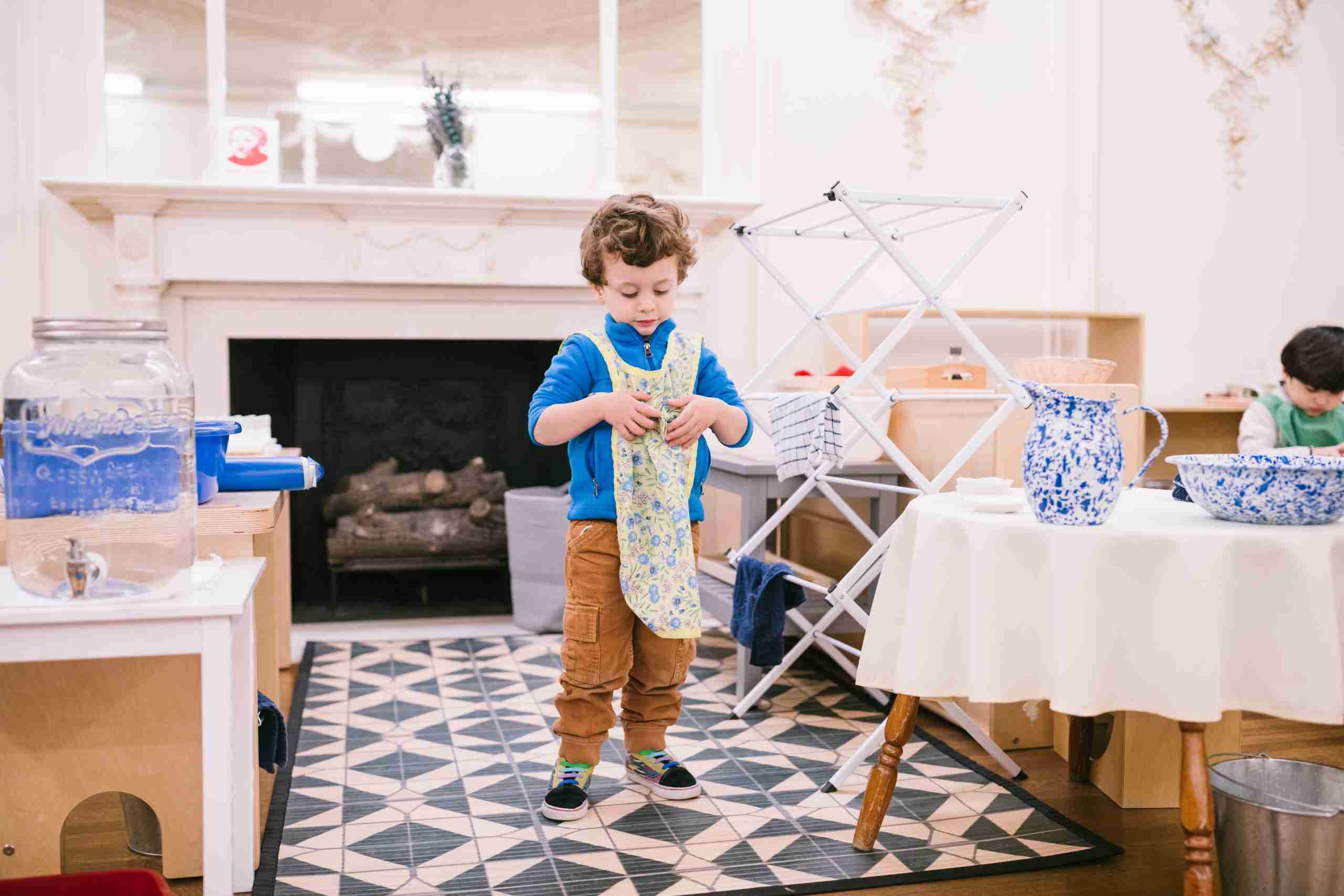
If you are wondering when to start Montessori, you are not alone. This is one of the most searched questions by parents exploring early childhood education. Many families discover Montessori while pregnant, others when their child turns two, and some much later when traditional schooling no longer feels right.
The truth is simple but nuanced. You can start Montessori earlier than most people realize, and the benefits change depending on when and how you begin.
This guide walks you through exactly when to start Montessori, what Montessori looks like at different ages, and how to decide what is right for your child and your family. Whether you are considering Montessori for an infant, toddler, preschooler, or older child, this article will help you make a confident, informed decision.

What Does It Mean to Start Montessori?
Before answering when to start Montessori, it helps to understand what starting Montessori actually means.
Montessori is not just a school model. It is a child-centered educational philosophy developed by Dr. Maria Montessori that focuses on independence, respect, purposeful work, and deep concentration.
When families talk about starting Montessori, they could mean one or more of the following:
- Enrolling a child in a Montessori school or program
- Beginning Montessori practices at home
- Transitioning from a traditional daycare or preschool into Montessori
- Introducing Montessori principles later in childhood
Montessori is designed to support children from birth through adolescence. That means there is no single “correct” starting age. Instead, there are optimal windows where certain benefits are especially powerful.

When Is the Best Age to Start Montessori?
The Short Answer
The best time to start Montessori is as early as possible, ideally from birth to age three. However, Montessori can be beneficial at any age when implemented thoughtfully.
The Long Answer
Montessori is built around what Dr. Montessori called sensitive periods, which are windows of time when children are especially receptive to learning certain skills. These periods begin at birth and continue through early childhood.
Starting Montessori early allows children to develop independence, focus, and intrinsic motivation before habits like external rewards or passive learning take hold.
That said, starting later does not mean you missed your chance. It simply means the approach looks a bit different.
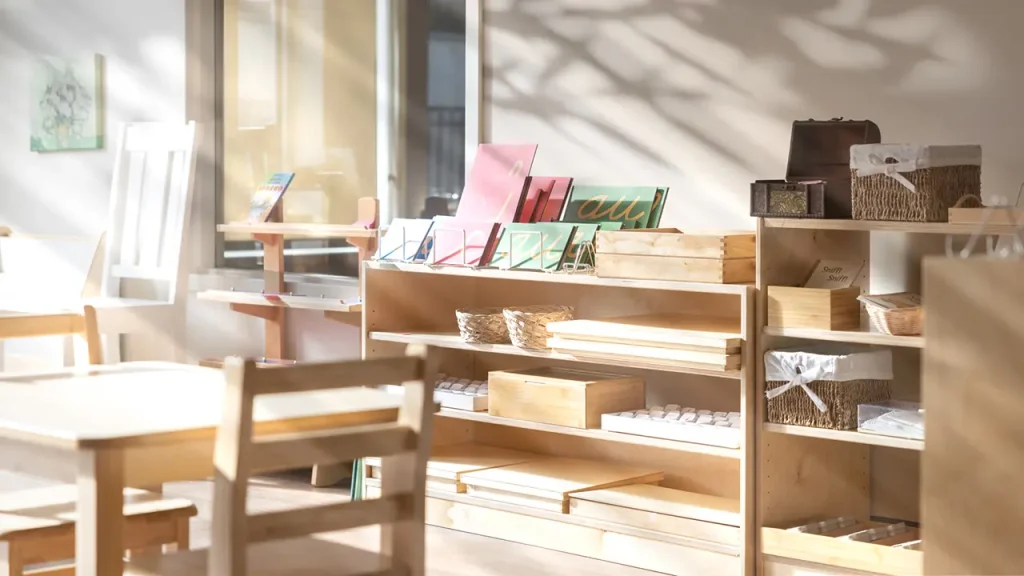

Starting Montessori From Birth to 18 Months
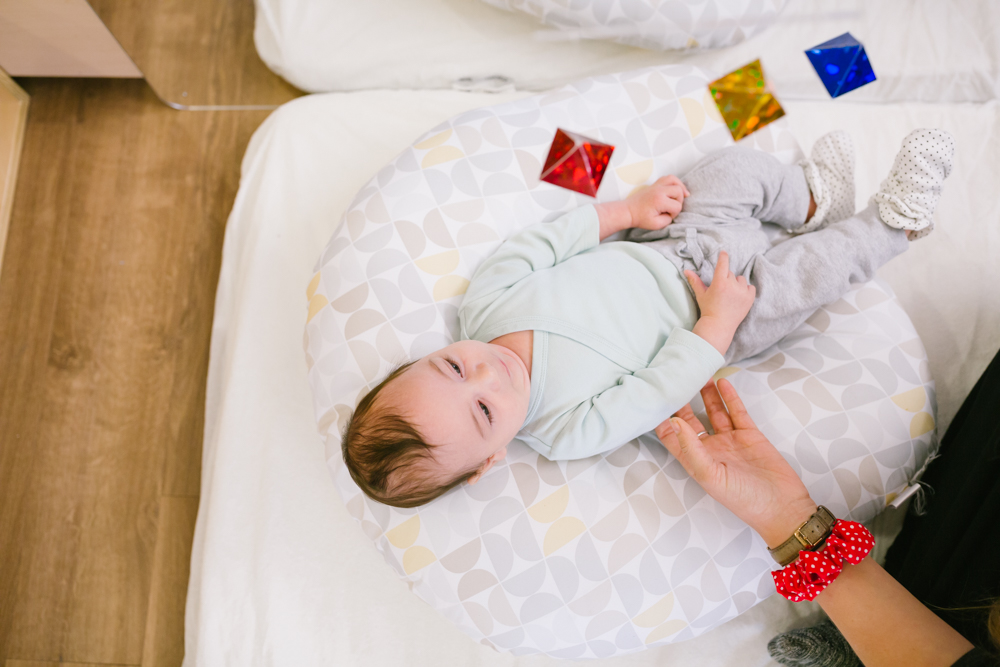
Many parents are surprised to learn that Montessori can begin at birth.
At this stage, starting Montessori does not mean formal lessons. It means creating an environment that supports natural development.
What Montessori Looks Like for Infants
- A calm, predictable environment
- Freedom of movement rather than restrictive containers
- Respectful caregiving and communication
- Simple, purposeful materials instead of overstimulating toys
Infant Montessori programs, often called Nido environments, focus on trust, attachment, and physical autonomy. Babies are allowed to move, explore, and engage at their own pace.
Benefits of Starting Montessori This Early
- Supports secure attachment
- Encourages motor development and coordination
- Builds early independence and confidence
- Establishes respect as the foundation of learning
Starting Montessori in infancy sets the tone for how a child sees themselves in the world. They learn that their actions matter and that they are capable from the very beginning.

When Should Toddlers Start Montessori?
If there is one age range that parents most often associate with starting Montessori, it is toddlerhood.
The Ideal Toddler Window: 18 Months to 3 Years
This is often considered one of the most powerful times to start Montessori.
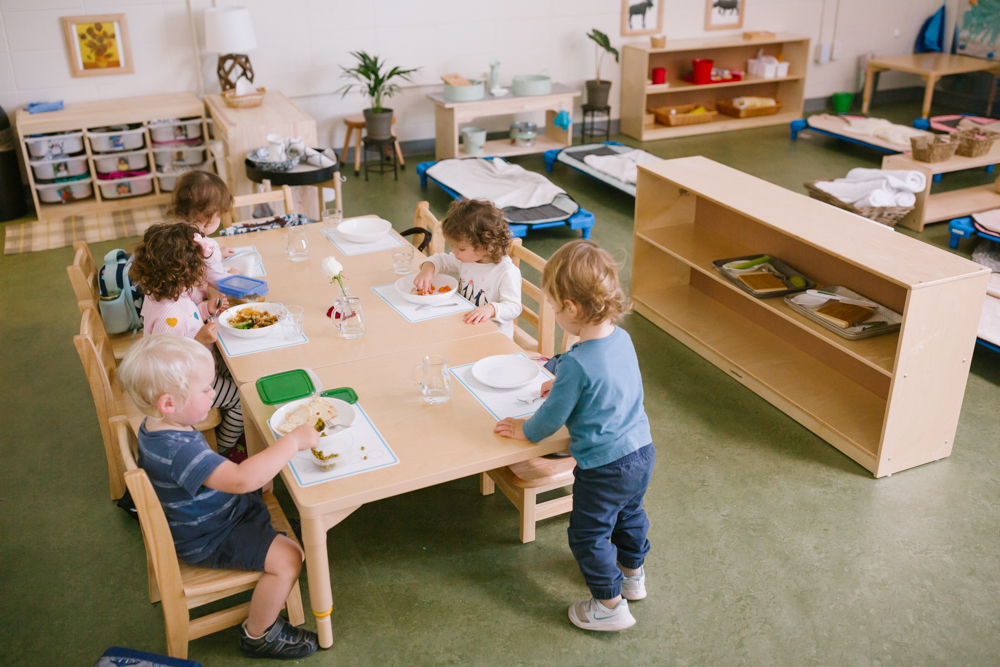
Toddlers are driven by a strong desire to do things for themselves. Toddler Montessori environments are intentionally designed to meet that need rather than fight it.
What Montessori Looks Like for Toddlers
- Child-sized furniture and tools
- Practical life activities like pouring, cleaning, and food preparation
- Clear routines and consistent expectations
- Freedom within structure
Toddlers in Montessori are encouraged to participate in real life, not just pretend play. They learn how to care for themselves, their environment, and others.
Benefits of Starting Montessori at This Age
- Reduces power struggles
- Supports emotional regulation
- Builds independence and self-esteem
- Encourages language development through real conversation
Many parents notice that Montessori toddlers are calmer, more capable, and more engaged in their daily routines.

When to Start Montessori Preschool?
Ages 3 to 6: The Core Montessori Years
If you are deciding when to start Montessori preschool, you are looking at what many consider the heart of Montessori education.
This is when children enter the Children’s House environment.
Why Ages 3 to 6 Are So Important
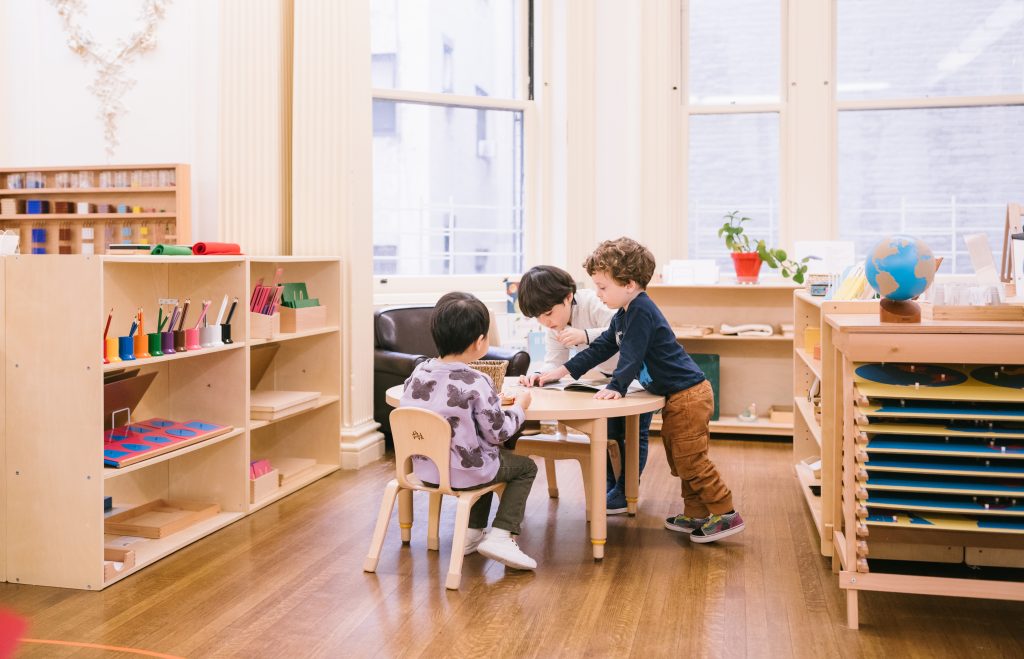
During these years, children experience a surge in cognitive development, social awareness, and concentration. Montessori classrooms are designed to meet these needs through hands-on, self-directed learning.
What Children Learn in Montessori Preschool
- Early literacy through phonetic, tactile materials
- Mathematics through concrete exploration
- Social skills through mixed-age classrooms
- Problem-solving, focus, and perseverance
Children are not rushed. They are allowed to repeat work, make mistakes, and master concepts deeply.
Benefits of Starting Montessori at Preschool Age
- Strong academic foundations without pressure
- Long attention spans and deep concentration
- Confidence in learning abilities
- Respect for others and the environment
If your child has attended a traditional daycare or preschool, transitioning to Montessori at this age can still be incredibly impactful.
Visit our curriculum overview page to see what children ages 0 to 6 learn in Guidepost Montessori classrooms.

What If My Child Is Used to Traditional Schooling?
Many parents worry that their child will struggle to adjust to Montessori if they have already experienced traditional education.
In reality, most children adapt remarkably well.
Common Transition Challenges
- Learning to make choices independently
- Adjusting to fewer external rewards
- Developing self-direction
These challenges are temporary. With proper support, children often become more confident, engaged, and motivated than they were before.

When Should I Start Montessori at Home?
You do not have to wait for school enrollment to start Montessori.
Montessori at Home Can Begin Anytime
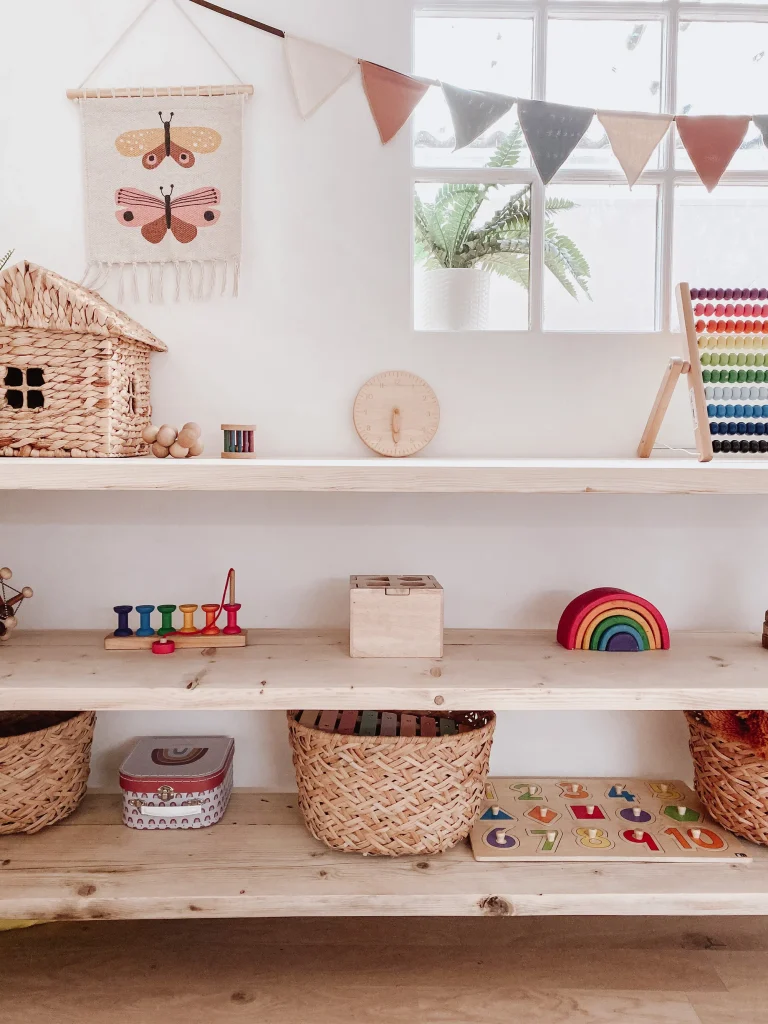
Whether your child is six weeks old or six years old, you can introduce Montessori principles at home.
Simple ways to start Montessori at home include:
- Offering child-sized tools
- Encouraging independence in daily routines
- Creating orderly, accessible spaces
- Allowing children time to concentrate without interruption
Starting Montessori at home can complement school or stand alone as a meaningful foundation.
The most important aspect is to ensure that your child’s school is aligned with, and supports, your home goals.

Signs Your Child Is Ready to Start Montessori
While Montessori can support children at many stages, certain signs suggest a child may especially benefit from starting now.
- Strong desire to do things independently
- Frustration with constant adult direction
- Curiosity about how things work
- Difficulty sitting still in traditional settings
These behaviors are not problems. They are signals that a Montessori environment may be a better fit.
Choosing the Right Time for Your Family
Deciding when to start Montessori is not just about your child. It is also about your family’s values, lifestyle, and goals.
Ask yourself:
- Do we value independence and intrinsic motivation?
- Are we comfortable with a less traditional academic structure?
- Do we want learning to feel joyful rather than pressured?
If the answer is yes, Montessori may align beautifully with your family, regardless of the exact starting age.
Common Myths About When to Start Montessori
Myth 1: Montessori Is Only for Toddlers
Many people associate Montessori with toddlers because that is often when families first encounter it. In reality, Montessori was designed to support children from birth through adolescence. Infant environments focus on movement, trust, and secure attachment. Toddler classrooms support independence and emerging self-control. Preschool and elementary environments deepen academic skills, social development, and critical thinking. At every stage, the approach evolves to meet children where they are developmentally. Montessori is not a phase. It is a complete educational framework that grows with your child.
Myth 2: You Miss the Benefits If You Start Late
Starting Montessori early can be powerful, but it is never too late to benefit from the approach. Children who enter Montessori later often show rapid growth in confidence, focus, and motivation once they experience an environment that respects their autonomy. Montessori classrooms are intentionally designed to support transitions, allowing children to build independence at their own pace. While early exposure can shape habits from the start, children of all ages can thrive when given the freedom, structure, and respect that Montessori provides.
Myth 3: Montessori Is Too Unstructured
Montessori classrooms may look more relaxed than traditional classrooms, but they are deeply structured and thoughtfully designed. Every material has a specific purpose. Every routine supports independence and concentration. Children are given freedom, but always within clear boundaries and expectations. This balance of structure and choice helps children develop self-discipline, responsibility, and focus. Rather than relying on constant adult direction, Montessori teaches children how to manage their time, work, and behavior in a meaningful and lasting way.
Final Thoughts: When Should You Start Montessori?
If you are asking when should I start Montessori, it likely means you are already thinking deeply about your child’s development.
The earliest years offer powerful opportunities, but Montessori is not an all-or-nothing decision. It is a philosophy that meets children where they are.
Start early if you can. Start later if you need to. Start at home, at school, or both.
The most important thing is not the exact age. It is choosing an environment that respects your child as capable, curious, and worthy of meaningful work.